The Lower Mainland: hub of farming in B.C.

Pitt Meadows, B.C.Metro Vancouver and the Fraser Valley Regional District account for 1.7% of the total area of British Columbia, and 59% of the province’s population. The Lower Mainland is known for its large institutions and private companies; the value of farming to the area is less obvious.
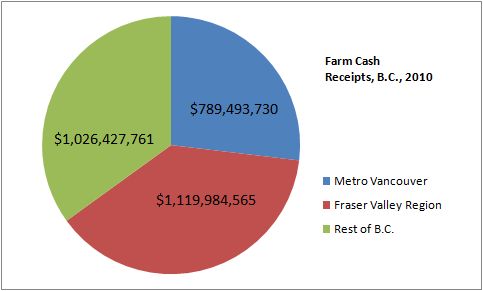
BC Farm cash receipts, 2010, from Canada censusIn fact, farms in Fraseropolis collect 65 per cent of farm cash receipts in B.C. The provincial total is reported at $2.936 billion for 2010. This is from a bulletin on agriculture   recently posted by the Metro Vancouver authority, based on the 2011 federal census. Continue reading
To the origin of settlement in Fraseropolis

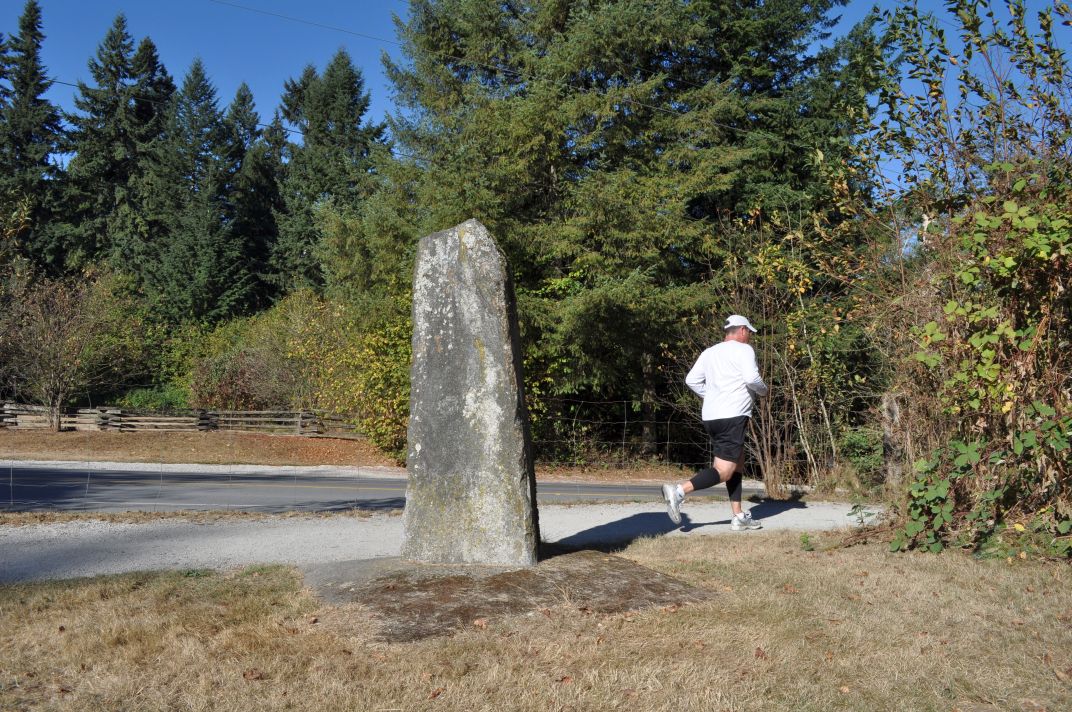
A stone marking the site of the original Fort Langley, B.C., founded 1829The Golden Ears Bridge forms part of the Trans Canada trail. As you cycle south, it takes you over the Fraser River and over a Metro Vancouver poop processing station, and lands you in a terrain of mills and warehouses. Do not despair.

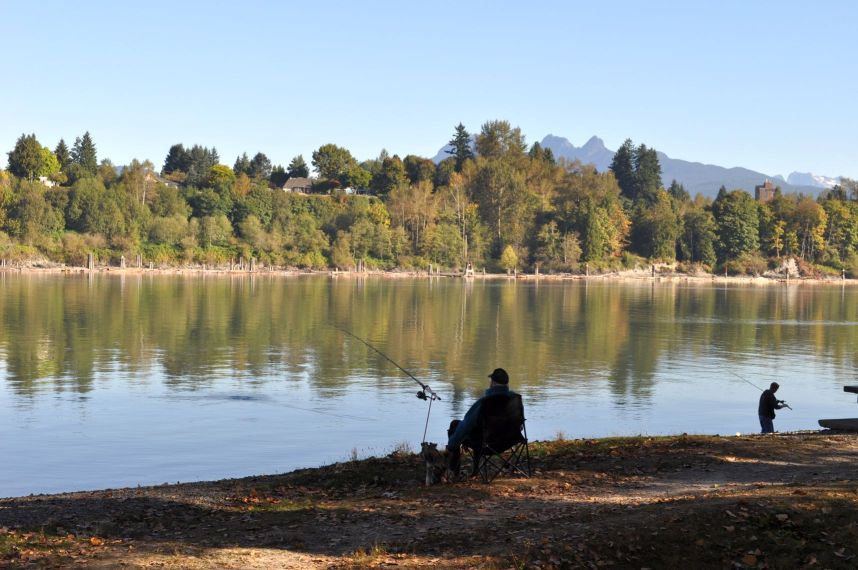
Derby Reach, looking to Maple RidgeFive minutes to the east, staying on the trail, the industrial lands give way to agriculture; fifteen minutes later you’re at Derby Reach, a fine regional park on the river that contains a marker for the original Fort Langley, the first point of white settlement on British Columbia’s coast. Continue reading

The “intensification” of industrial land use

This three-story structure near False Creek in the City of Vancouver combines manufacturing, offices and underground parking. It is cited in a regional government report as a model for

Metro Vancouver’s industrial zones directly employ an estimatd 235,000, or close to 20 per cent of the workers in the region.  Waterfront and trackside industry are important to the success of Port Metro Vancouver, a complex that stretches along 600 kilometres of coastline and river’s edge.

However, most of the region’s available industrial land is occupied, leaving limited room for growth.  One result is that land costs are high in comparison with other Canadian and U.S. cities.  The federally-regulated Port authority is currently conducting a public review of land use, and has made noises about annexing agricultural land in the municipality of Delta.  A consultation report from the process suggests that this proposal has run into considerable opposition. Continue reading

A tour to Port Hammond

Port Hammond, the most extensive neighbourhood of heritage residences in the District of Maple Ridge

The Hammond brothers arrived from England in 1862, an early date for white settlement on the B.C. coast. The Cariboo gold rush of the late 1850s had brought a small influx of settlers to the Fraser Valley, and a few farms had been established on the Albion Flats in the future Maple Ridge; at New Westminster, the seat of colonial government, Her Majesty’s soldiers were still living in tents.

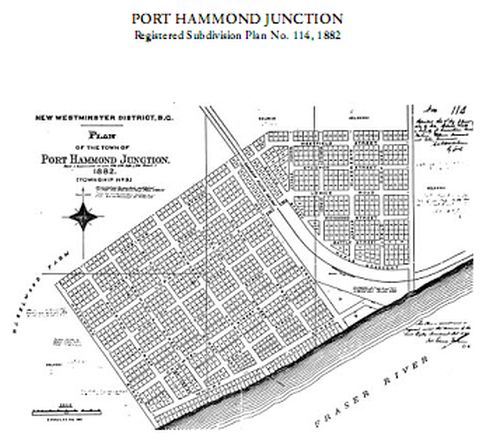
The plan for Port Hammond Junction subdivision, registered 1883.  Most of it was never realized. By 1883, with the railroad’s arrival, the Hammonds prepared to subdivide their farm on the Fraser into urban plots and sell them. Their subdivision was registered as “Port Hammond Junction.” Development was slow until the early 1900s, when a mill was established next to the railway line. The Hammond Cedar Mill still dominates central  Hammond, and is one of the largest private-sector employers in Maple Ridge. Continue reading