Knocking down the Lions Gate Bridge

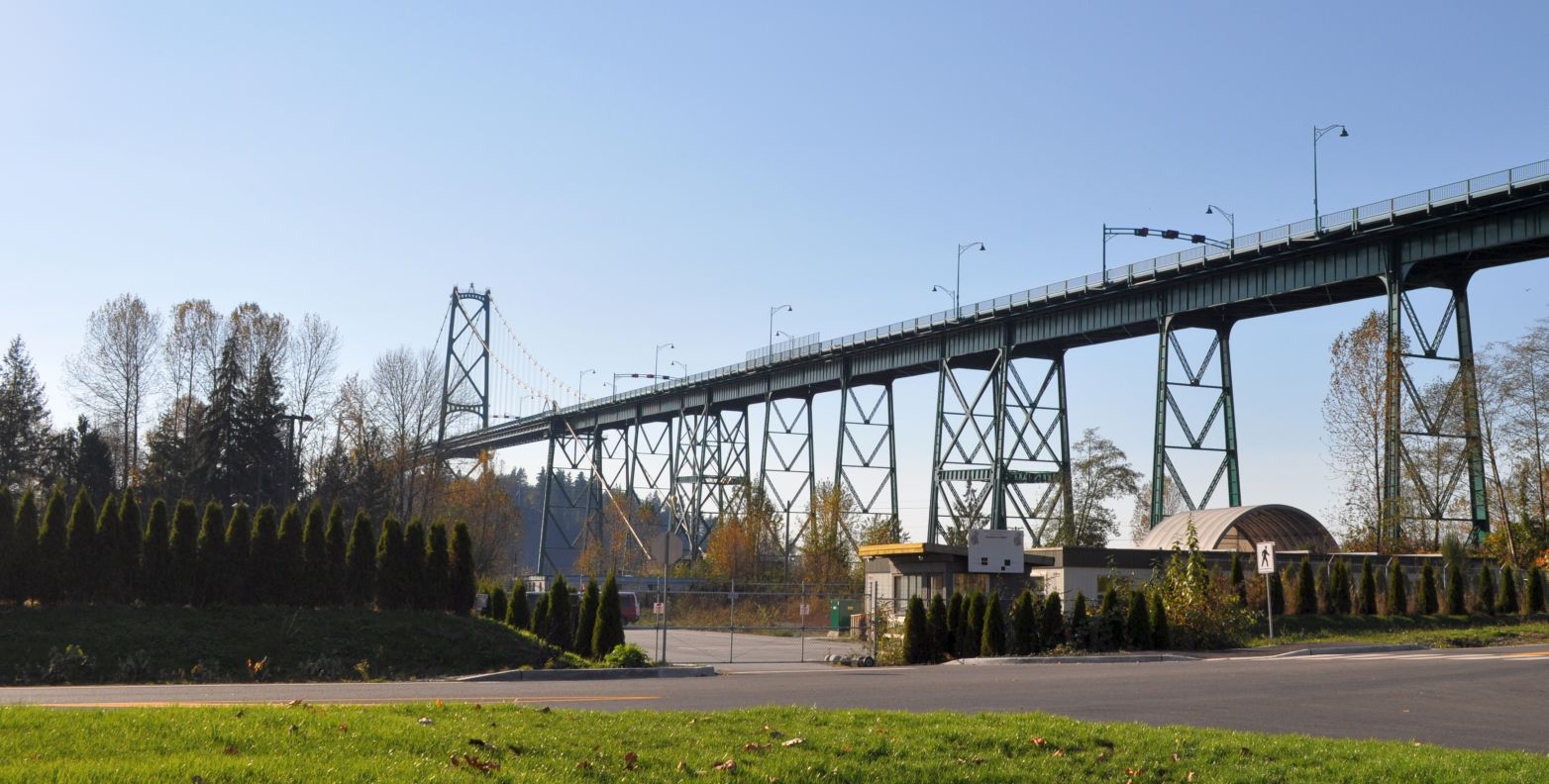
The bridge from the north shore of the Burrard Inlet

By the mid-1990s, the Lions Gate Bridge was rusting badly. Just three lanes wide, one of only two routes into the City of Vancouver from the north, it was often congested.  British Columbia’s premier of the day, Glen Clark, looked at the options and approved the destruction of the 1930s-era iron bridge and its replacement with a new, bigger  crossing.

Lions Gate Bridge detail, seen from the east side of the deck

I’ve worked on road and bridge projects that turned out well, but this was not one of them.  We had done an opinion survey, and as I remember the results were quite cheerful. Three quarters of respondents across Metro Vancouver were prepared to support a four-lane bridge with tolls, including half the respondents in the City.  However, as soon as the project team was settled into offices on West Georgia Street, that support melted away.

Continue reading
METROTOWN

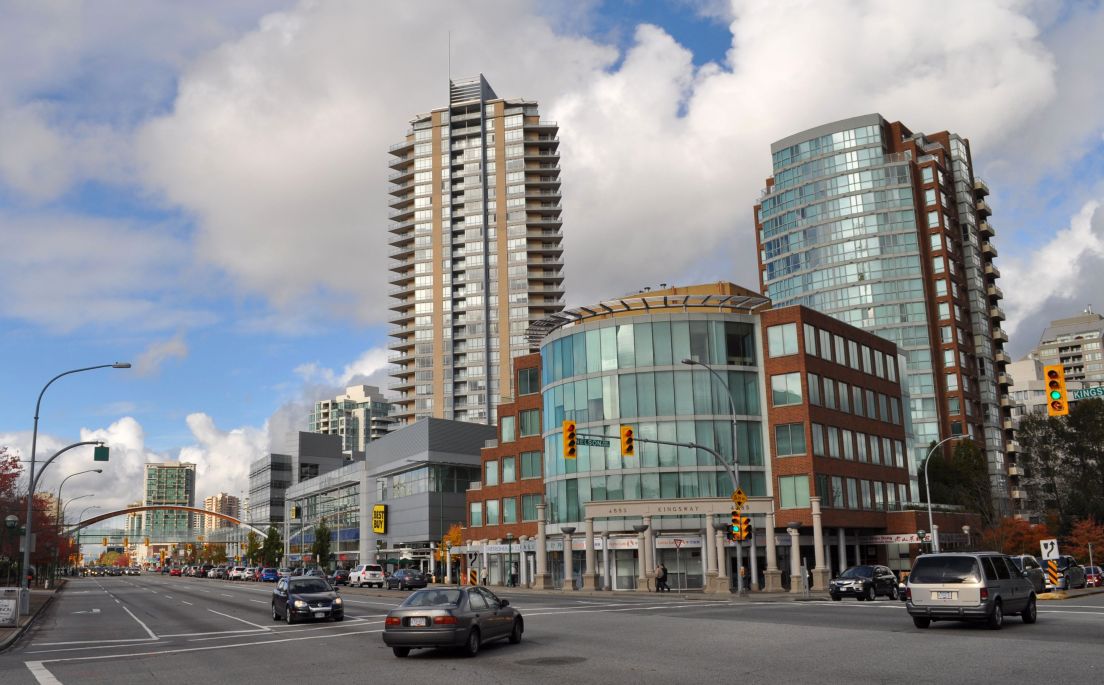
Kingsway, looking west from Nelson, Burnaby, B.C.Metrotown, a square-mile precinct in the City of Burnaby, was conceived as a zone of medium-to-high density development. It’s well-served by transit, has a huge variety of services within a walkable radius, and an ethnically diverse population of 25,000 or more. Its arterial streets and indoor shopping don’t warm my heart, but who knows what tomorrow may bring?

The city’s area plan describes Metrotown as “a town centre serving the southeast quadrant” of a municipality of 225,000. This is too modest. Metrotown’s key property, The Metropolis at Metrotown, is Canada’s second-largest enclosed shopping centre, with vast caverns of free parking and rapid transit lines stopping at the door [by 2019, Metrotown has slipped to fifth place].  The Metrotowers are home to the regional government and regional transportation authorities. Transit service and a location just outside the City of Vancouver have made the precinct a magnet for towers; it is currently booming, perhaps the most active site for property development in the Lower Mainland. Continue reading

The Lower Mainland: hub of farming in B.C.

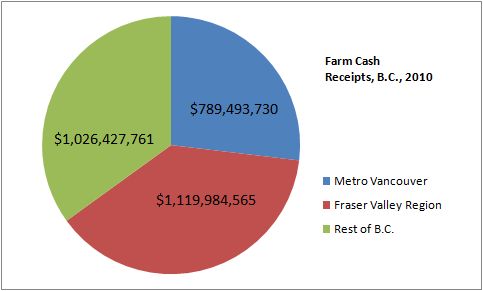
Pitt Meadows, B.C.Metro Vancouver and the Fraser Valley Regional District account for 1.7% of the total area of British Columbia, and 59% of the province’s population. The Lower Mainland is known for its large institutions and private companies; the value of farming to the area is less obvious.

BC Farm cash receipts, 2010, from Canada censusIn fact, farms in Fraseropolis collect 65 per cent of farm cash receipts in B.C. The provincial total is reported at $2.936 billion for 2010. This is from a bulletin on agriculture   recently posted by the Metro Vancouver authority, based on the 2011 federal census. Continue reading

To the origin of settlement in Fraseropolis

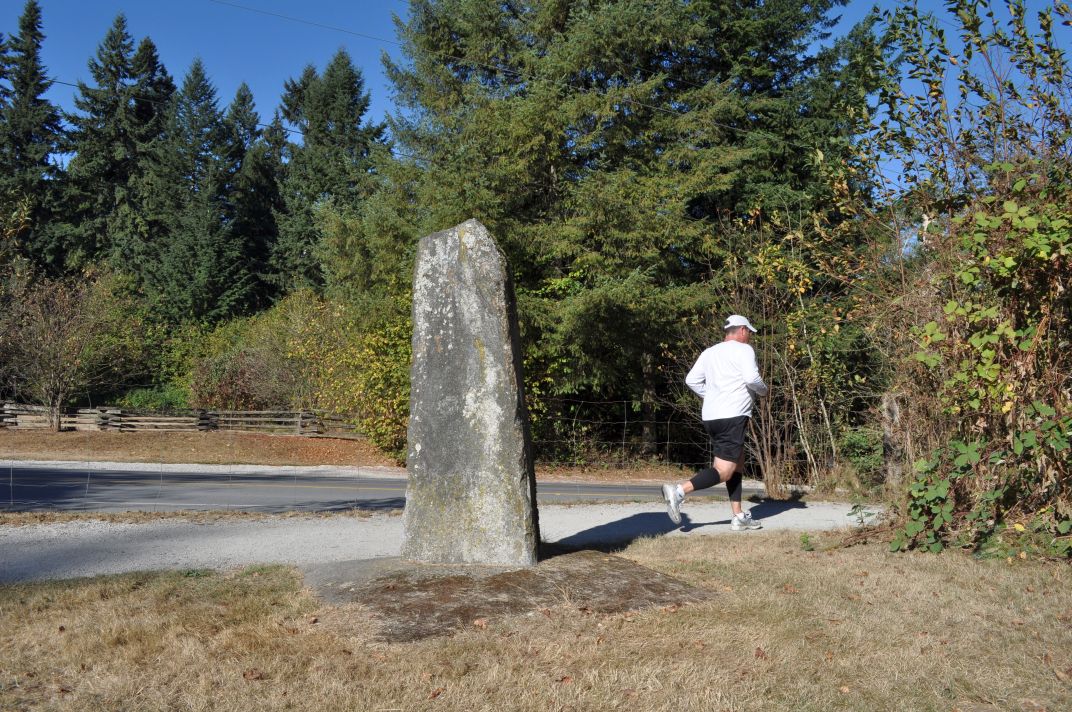
A stone marking the site of the original Fort Langley, B.C., founded 1829The Golden Ears Bridge forms part of the Trans Canada trail. As you cycle south, it takes you over the Fraser River and over a Metro Vancouver poop processing station, and lands you in a terrain of mills and warehouses. Do not despair.

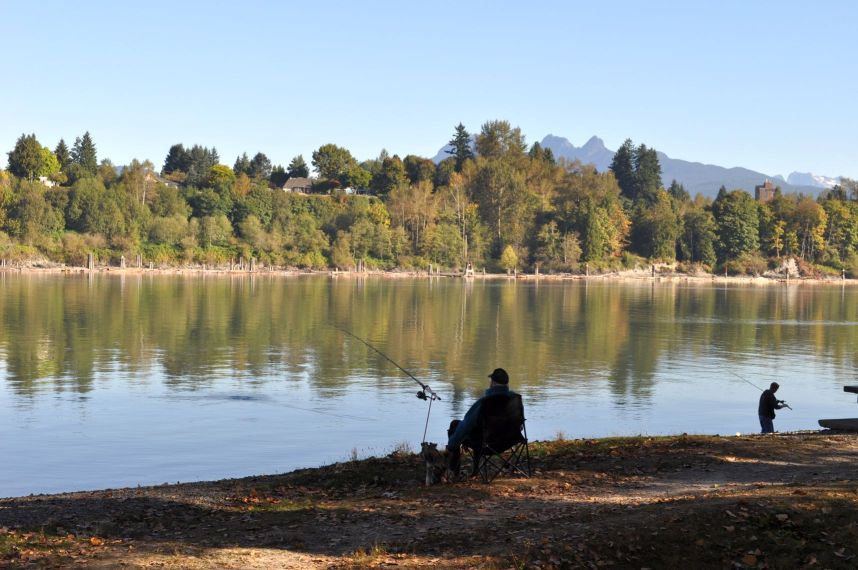
Derby Reach, looking to Maple RidgeFive minutes to the east, staying on the trail, the industrial lands give way to agriculture; fifteen minutes later you’re at Derby Reach, a fine regional park on the river that contains a marker for the original Fort Langley, the first point of white settlement on British Columbia’s coast. Continue reading