Metro Vancouver’s economic growth has bypassed the City

The City of Vancouver is undoubtedly the business, cultural and touristic heart of the Greater Vancouver region. However, its dominance as an employment centre is slipping steadily.

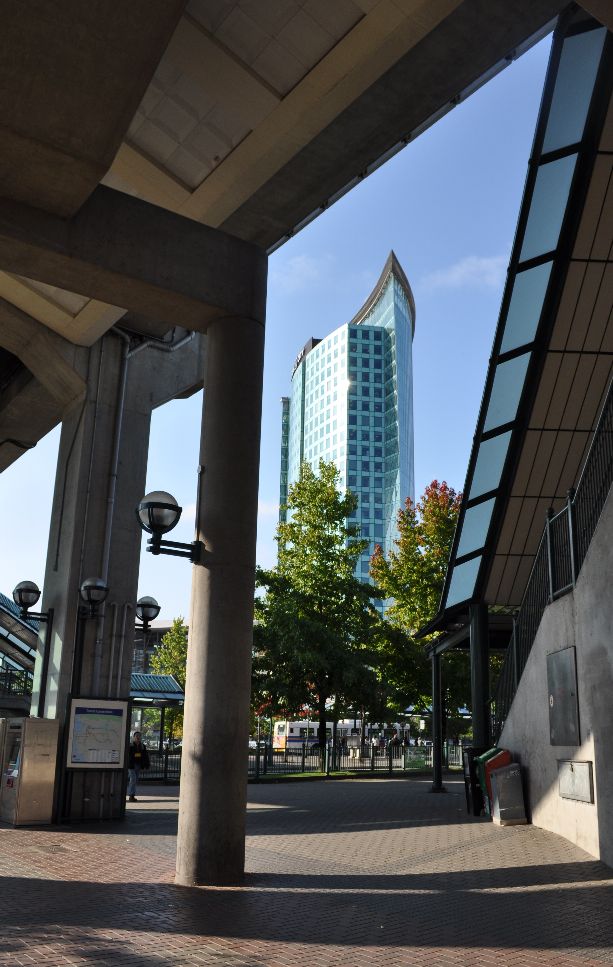
This is not news. The figures below date from 2006.  But judging by online conversations – relating to the function of the new Port Mann Bridge, for example – there are still  people who believe that all traffic on regional roads is bound for the City. The fact is, however, that increasing numbers of City dwellers  travel to suburban municipalities. To take the extreme case, job growth in the South-of-Fraser subregion has been nine times as rapid as job growth in the City over the past generation. Put another way, the City was home to half the jobs in the region in 1981; by 2006, the figure had dropped to 31 per cent. Continue reading
Affordable housing: a survey of 15 Metro Vancouver cities

In my February 9 post on measures for comparing B.C. communities,  I overlooked a 2011 report by Margaret Eberle and associates on affordable housing and housing diversity.

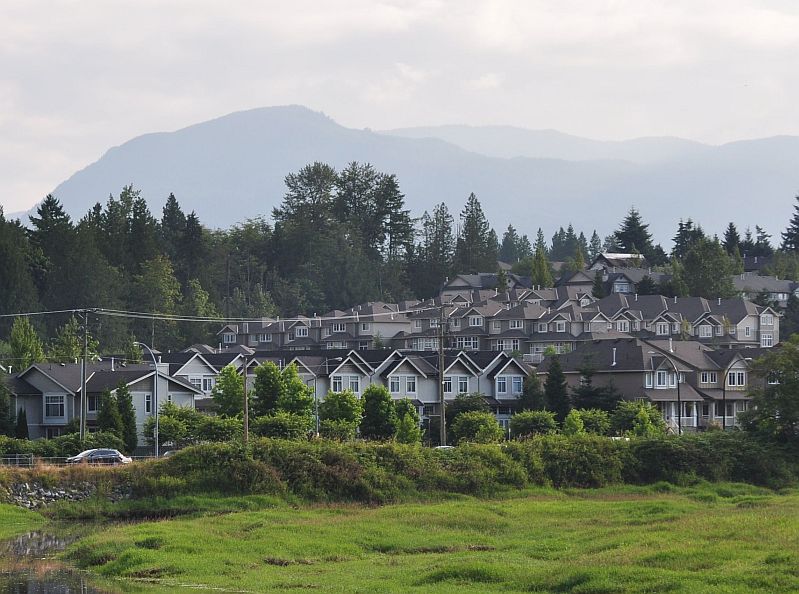
The report, submitted to the Metro Vancouver Housing Corporation,  measures the performance of 15 Metro Vancouver municipalities — the 15 largest — in implementing the 2007 regional housing strategy. Continue reading

Petitioning Ottawa for a break on rental housing

The latest report from Canada Mortgage and Housing Corporation shows that average rents in Metro Vancouver are the highest in Canada, at $1,237 for a two-bedroom suite in a 1990s apartment building.  Vacancy rates in autumn 2011 were low and declining on the west side of the region — 1.2 per cent in Richmond, 0.7 per cent in the City of Vancouver and 0.4 per cent in the District of North Van.

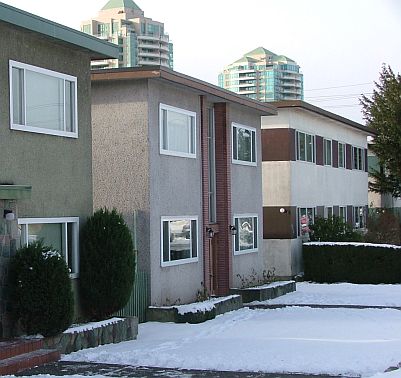
The Metro Vancouver regional authority has warned for somet time that a critical shortage of affordable rental space is  hurting families and contributing to homelessness.  In the 2006 census, 55 per cent of homes in the City of Vancouver were rental properties, and more than 40 per cent in Burnaby, New West and  North Van City.  There’s demand for more units, but they’re not getting built.   Continue reading

Local elections, regional roulette

When British Columbians go to the polls this Saturday to vote for mayors and councillors, they’ll also be voting indirectly for the next chair of their regional district.  This is a little strange, because we don’t know who the candidates will be for those regional leadership positions.

Metro Vancouver, the largest region, is budgeted to spend $620 million in 2012, or $524 for every household in the region.  The chair has influence over the Metro agenda; works closely with the well-paid ($323,767 in 2010) chief administrator, Johnny Carline, whose almost supernatural invisibility in the online world testifies to a high degree of skill; and perhaps most significant, the chair appoints the membership of the Metro committees that oversee Metro’s utilities, parks, housing and planning activities.  Continue reading