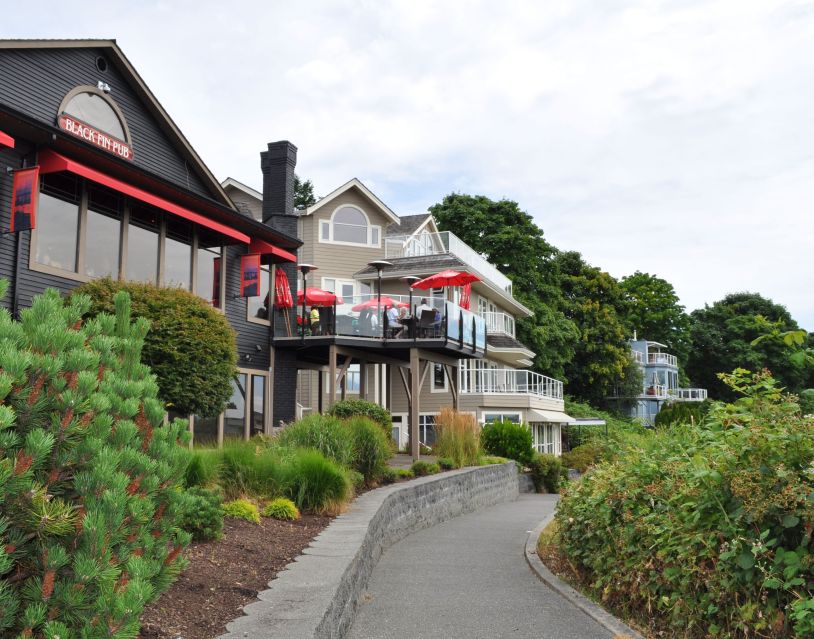
The Lower Mainland: hub of farming in B.C.

Pitt Meadows, B.C.Metro Vancouver and the Fraser Valley Regional District account for 1.7% of the total area of British Columbia, and 59% of the province’s population. The Lower Mainland is known for its large institutions and private companies; the value of farming to the area is less obvious.
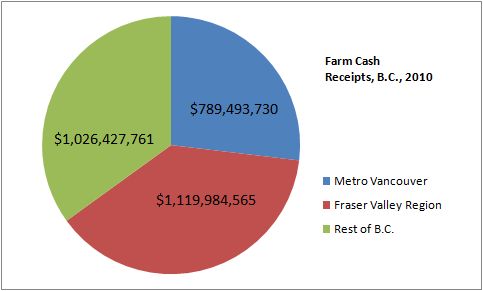
BC Farm cash receipts, 2010, from Canada censusIn fact, farms in Fraseropolis collect 65 per cent of farm cash receipts in B.C. The provincial total is reported at $2.936 billion for 2010. This is from a bulletin on agriculture   recently posted by the Metro Vancouver authority, based on the 2011 federal census. Continue reading

The “intensification” of industrial land use

This three-story structure near False Creek in the City of Vancouver combines manufacturing, offices and underground parking. It is cited in a regional government report as a model for

Metro Vancouver’s industrial zones directly employ an estimatd 235,000, or close to 20 per cent of the workers in the region.  Waterfront and trackside industry are important to the success of Port Metro Vancouver, a complex that stretches along 600 kilometres of coastline and river’s edge.

However, most of the region’s available industrial land is occupied, leaving limited room for growth.  One result is that land costs are high in comparison with other Canadian and U.S. cities.  The federally-regulated Port authority is currently conducting a public review of land use, and has made noises about annexing agricultural land in the municipality of Delta.  A consultation report from the process suggests that this proposal has run into considerable opposition. Continue reading

Shifting development to the urban village

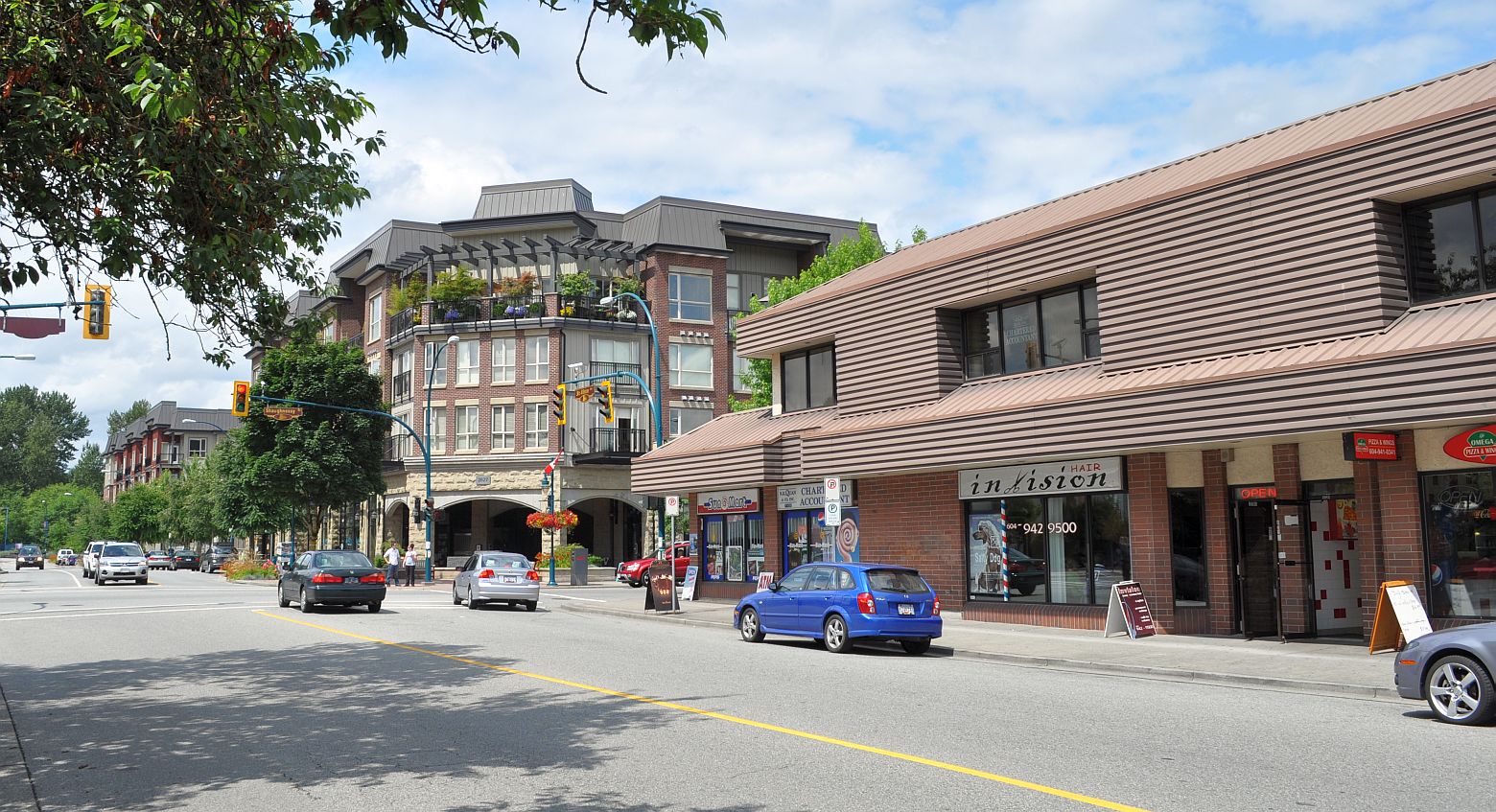
Downtown Port Coquitlam

I subscribe to a news service called Better Cities & Towns.  I neglect most posts and feel guilty about it, but recently I tripped over an item by Geoff Dyer from July, 2012 [since deleted from Better Cities] that gathers some of this site’s musings on urban villages into a single list.

Waterfront walkway, Comox, B.C.His key point is an obvious one: the best customer base for business in an urban village is made up of the people who live within easy walking distance; and so housing is the basic ingredient in reviving an old downtown or a commercial dead zone.  The appetite for medium-density housing is limited in any market; city governments get maximum benefits, in terms of spin-off economic development, from focusing apartment development in urban villages. Continue reading

Metro Vancouver threatens legal action over regional plan

The Metro Vancouver regional authority has fired an unexpected shot to signal serious intentions around its 2011 Regional Growth Strategy.

At a closed meeting on Wednesday, May 16, Metro’s planning committee voted to take legal action if the Township of Langley, a member municipality within Metro, continued with plans for residential development on Trinity Western University property.  Members of the Township’s council responded that the regional politicians were exceeding their authority. Continue reading