The “intensification” of industrial land use

This three-story structure near False Creek in the City of Vancouver combines manufacturing, offices and underground parking. It is cited in a regional government report as a model for

Metro Vancouver’s industrial zones directly employ an estimatd 235,000, or close to 20 per cent of the workers in the region.  Waterfront and trackside industry are important to the success of Port Metro Vancouver, a complex that stretches along 600 kilometres of coastline and river’s edge.

However, most of the region’s available industrial land is occupied, leaving limited room for growth.  One result is that land costs are high in comparison with other Canadian and U.S. cities.  The federally-regulated Port authority is currently conducting a public review of land use, and has made noises about annexing agricultural land in the municipality of Delta.  A consultation report from the process suggests that this proposal has run into considerable opposition. Continue reading

A tour to Port Hammond

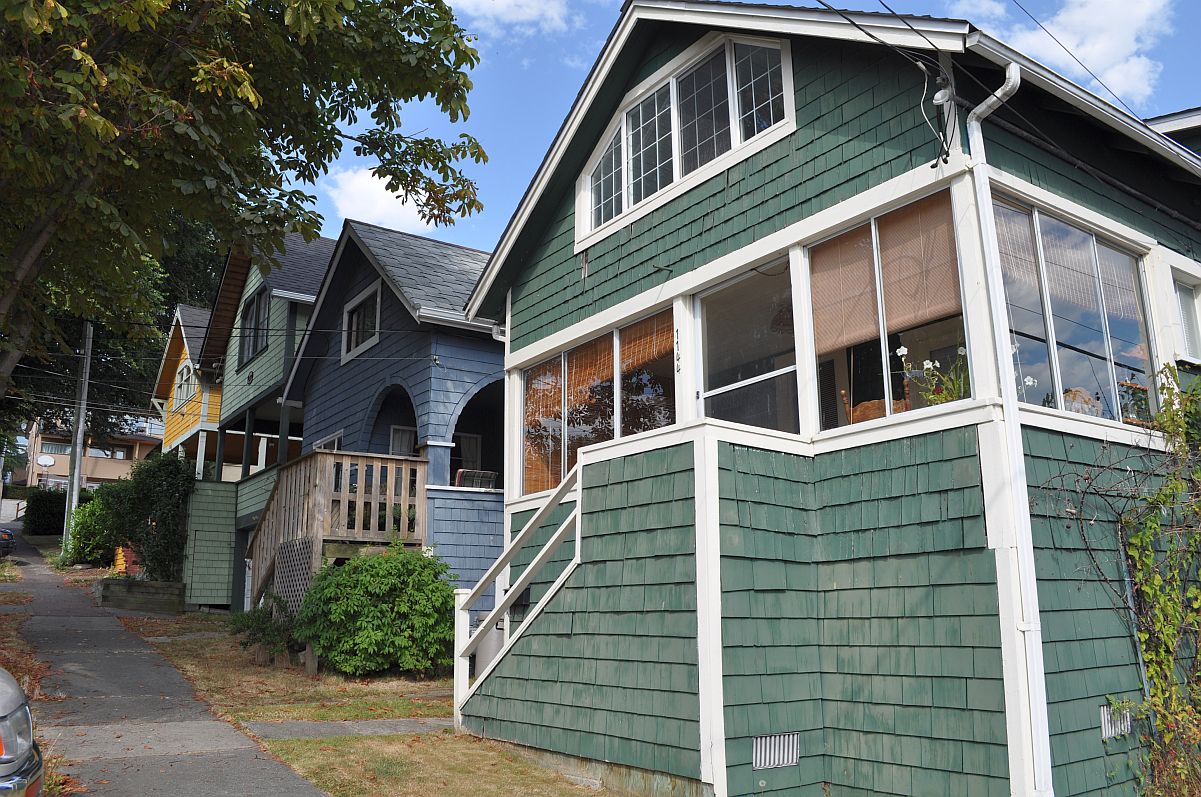
Port Hammond, the most extensive neighbourhood of heritage residences in the District of Maple Ridge

The Hammond brothers arrived from England in 1862, an early date for white settlement on the B.C. coast. The Cariboo gold rush of the late 1850s had brought a small influx of settlers to the Fraser Valley, and a few farms had been established on the Albion Flats in the future Maple Ridge; at New Westminster, the seat of colonial government, Her Majesty’s soldiers were still living in tents.

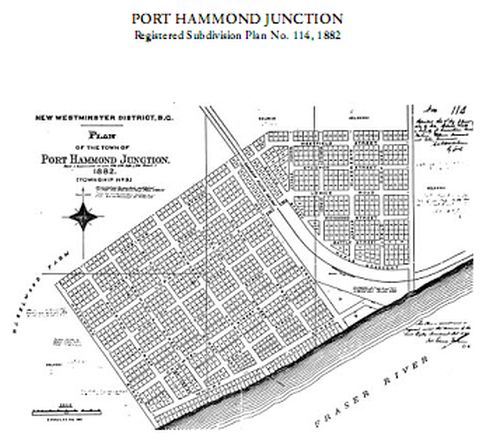
The plan for Port Hammond Junction subdivision, registered 1883.  Most of it was never realized. By 1883, with the railroad’s arrival, the Hammonds prepared to subdivide their farm on the Fraser into urban plots and sell them. Their subdivision was registered as “Port Hammond Junction.” Development was slow until the early 1900s, when a mill was established next to the railway line. The Hammond Cedar Mill still dominates central  Hammond, and is one of the largest private-sector employers in Maple Ridge. Continue reading

Shifting development to the urban village

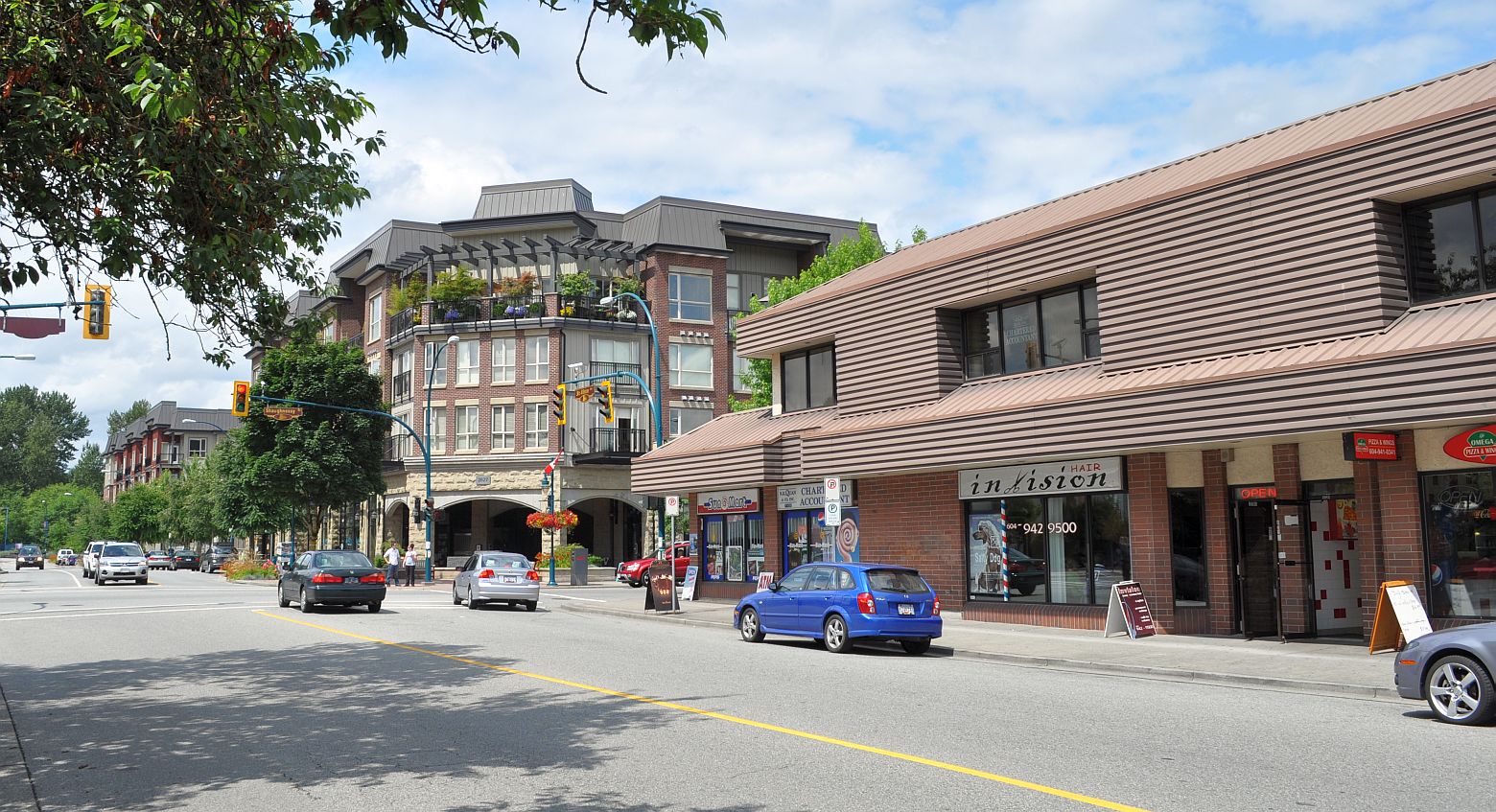
Downtown Port Coquitlam

I subscribe to a news service called Better Cities & Towns.  I neglect most posts and feel guilty about it, but recently I tripped over an item by Geoff Dyer from July, 2012 [since deleted from Better Cities] that gathers some of this site’s musings on urban villages into a single list.

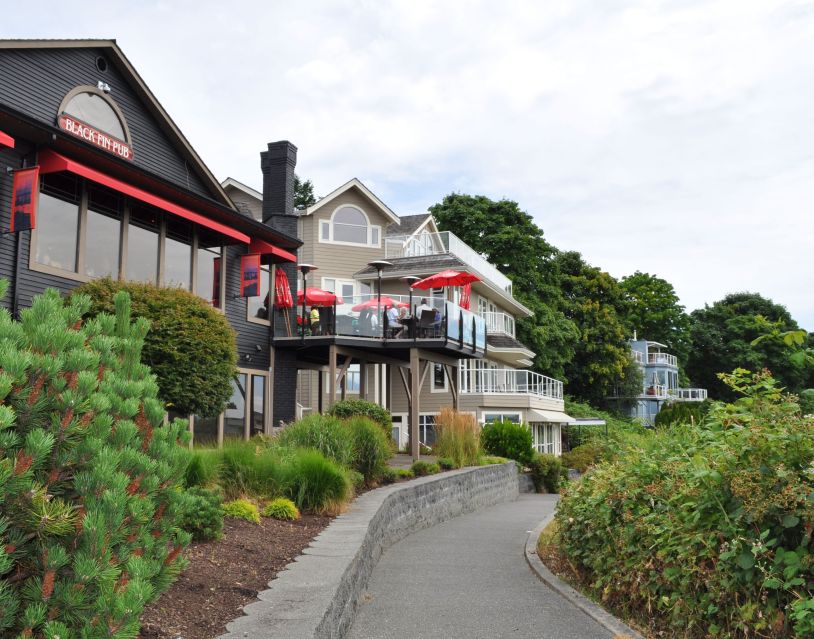
Waterfront walkway, Comox, B.C.His key point is an obvious one: the best customer base for business in an urban village is made up of the people who live within easy walking distance; and so housing is the basic ingredient in reviving an old downtown or a commercial dead zone.  The appetite for medium-density housing is limited in any market; city governments get maximum benefits, in terms of spin-off economic development, from focusing apartment development in urban villages. Continue reading

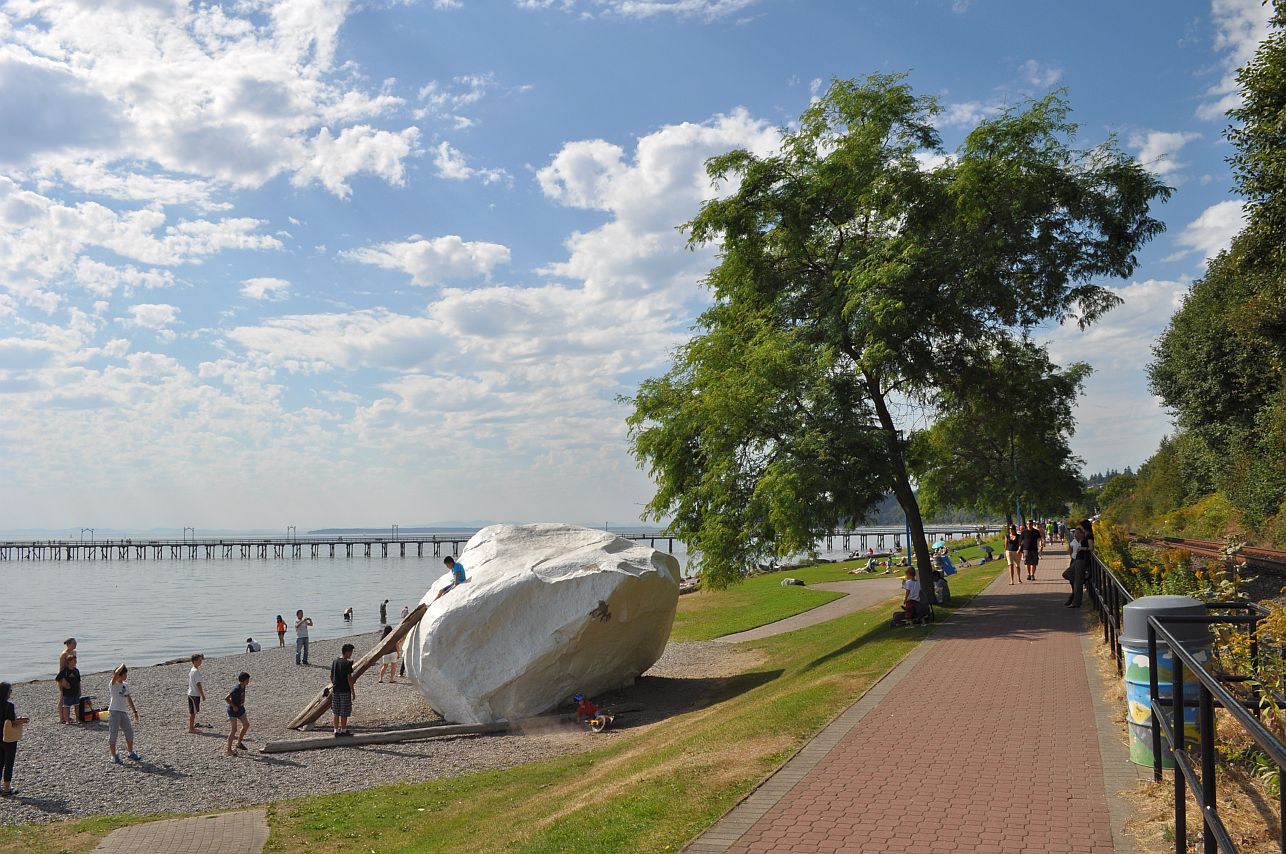
The seafront at White Rock

The promenade and the White Rock at White Rock, B.C.  Vicki and I recently drove the 40 minutes from Maple Ridge to White Rock for a Saturday outing.  White Rock’s Marine Drive is the closest thing in Western Canada to a British-style seafront resort, complete with an overabundance of fish and chips.  It’s a full-blown tourist strip, but I would say most of the tourists were from the region, like us; people of all colours and backgrounds, with lots of kids.  We ran into Maple Ridge realtor Anil Bharwani and his wife; after years of driving to Stanley Park for their weekend walks, they’ve switched to White Rock, which they find more pleasant.

Vintage housing off Marine Drive, White RockThe City of White Rock, with a population of 20,000, is a bit like the B.C.communities of Comox or Oak Bay, a genteel, land-bound townlet where local government has no space to sprawl.  White Rock has densified, and developed a nice urban village a few blocks above the ocean; I’ll write about that some other time.  Marine Drive has its own scene, which obviously goes back as a kind of bohemian retreat to something like the 1920s.  It’s cool, but short on services other than bars, restaurants and touristy clothing outlets; if you want groceries, you hike, or more likely drive, up the hill. Continue reading