Steveston village: this ain’t Manhattan

boardwalk-2

The neighbourhood business association promotes Steveston as a place to visit, with its waterfront, cafes and gift shops. Co-tourist Robert Smarz and I walked the  ocean-facing pathway on the west side of the community and enjoyed lunch at the Shady Island pub on the boardwalk; we didn’t have time to stop at the Georgia Cannery National Historic Site, so there’s more to see.

development-reducedBut the designated core is attracting new residents as well as visitors, part of a general upscaling of Vancouver-area real estate. Postwar bungalows on the back streets are disappearing in favour of low-rise apartment buildings of three and four storeys. There are now enough essential services in place — such as food markets and professional offices — to make this a livable urban village with an affluent tinge. Rapid transit to downtown Vancouver is about 20 minutes away by bus, and bus service is frequent. Continue reading

Lynn Valley Town Centre: from humble beginnings

Intersection of Lynn Valley Road and Mountain Highway. The

Mountain Highway at Lynn Valley Road. The “Lynn Valley Life” site says the structure on the right, dating from 1912, is the only surviving commercial building from the original settlement. The photo is from realestatenorthshore.com

In the 400-page official plan of the District of North Vancouver, Lynn Valley’s commercial area is the designated “municipal town centre.”

On the first pass, this town centre is a crossroads row of shops flanked by gas stations and strip malls. And to an outsider, it seems an odd location for the action centre in a municipality of 80,000 people. It’s closer to bear habitat than to the Municipal Hall or the District’s busiest east-west street. But there are services and public amenities tucked away in various corners, and rapid new development may bring transformation over the next three to five years. Continue reading

Revisiting Downtown Maple Ridge

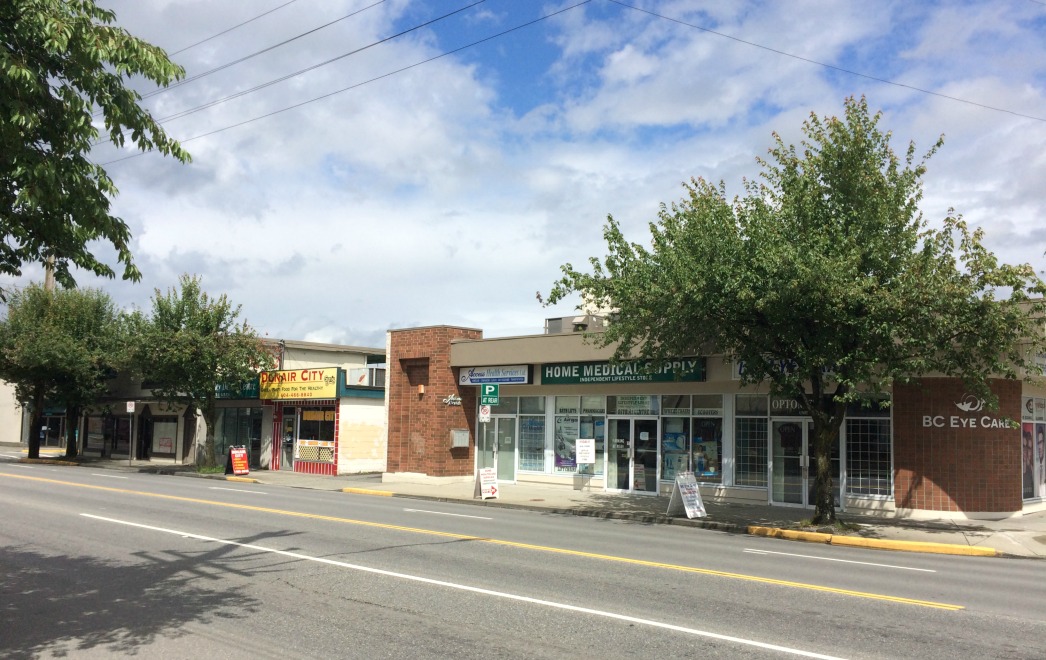
Donair reduced

Greater Vancouver’s Livable Region Strategic Plan, adopted in 1996, identified downtown Maple Ridge as one of eight town centres of regional significance. A year or two later Maple Ridge City Council agreed to finance an ambitious town centre development with an arts centre, office complex, recreation centre and park space, all aimed at bringing people and investment to the city’s core.

The planning and execution of the project split the community and created long-term political instability. In five of the six local elections since that financing decision, the incumbent mayor has been kicked to the curb. Downtown Maple Ridge has improved; but it remains a focus for civic conflict more than civic pride. In the single election where a mayor was re-elected, his opponent staged a concerted attack on central area investment, including an “unnecessary” sewer line replacement, and collected 40 per cent of the vote. Continue reading

Passionate about Esquimalt

Esquimalt House 1

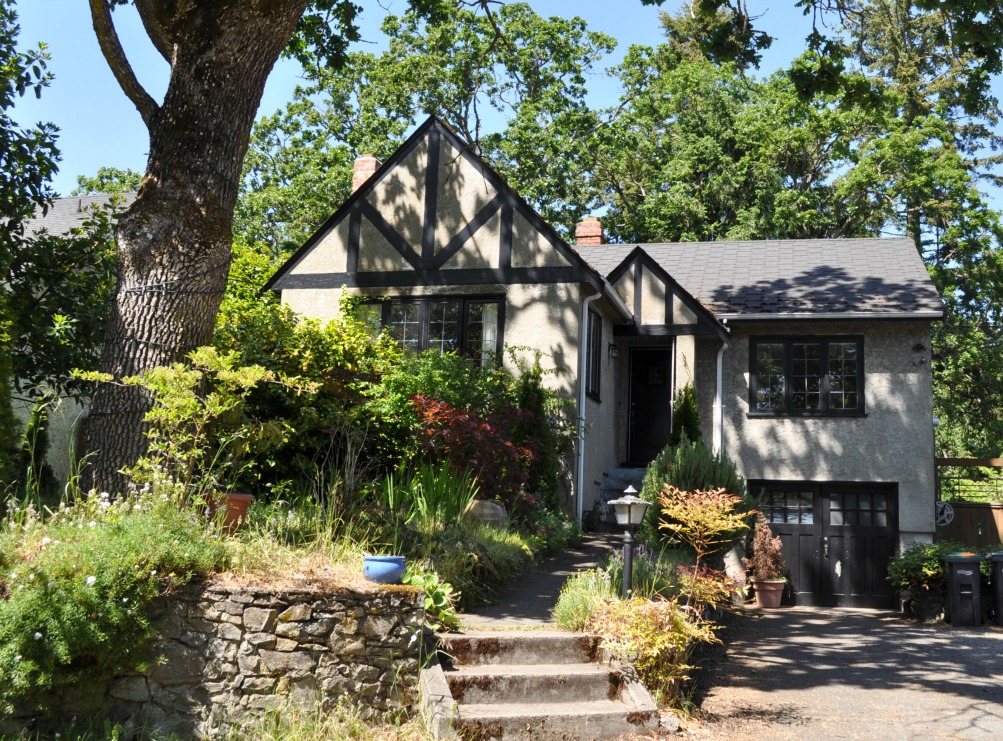
Fernhill Road, Esquimalt. Garry oak, a tree peculiar to southern Vancouver Island, grows all around this house. The garage-under-the-dining-room feature was popular on the West Coast from the 1910s into the 1940s, but many of these spaces are now used for storage.

Voters in Greater Victoria, population 345,000, are looking at the possible amalgamation of their 13 municipal governments into a smaller number. Possible, but not likely, since so many urban British Columbians are passionate about the randomly-sized cities and towns where they live. Rather than amalgamation, a slight increase in the number of “shared services” — a joint parks department here, a joint library there — is a safer bet.

Esqumalt condos

New apartments, Carlisle Avenue, Esquimalt

Esquimalt is one of the odd-shaped municipal bits that makes up Greater Victoria. Its Pacific shoreline is home to a naval base that employs 6,000 people. Otherwise, the city has waterfront parks, a modest urban village and an on-street bike lane connecting to the offices and retail stores in Victoria’s downtown. Continue reading