Light rail for Surrey?

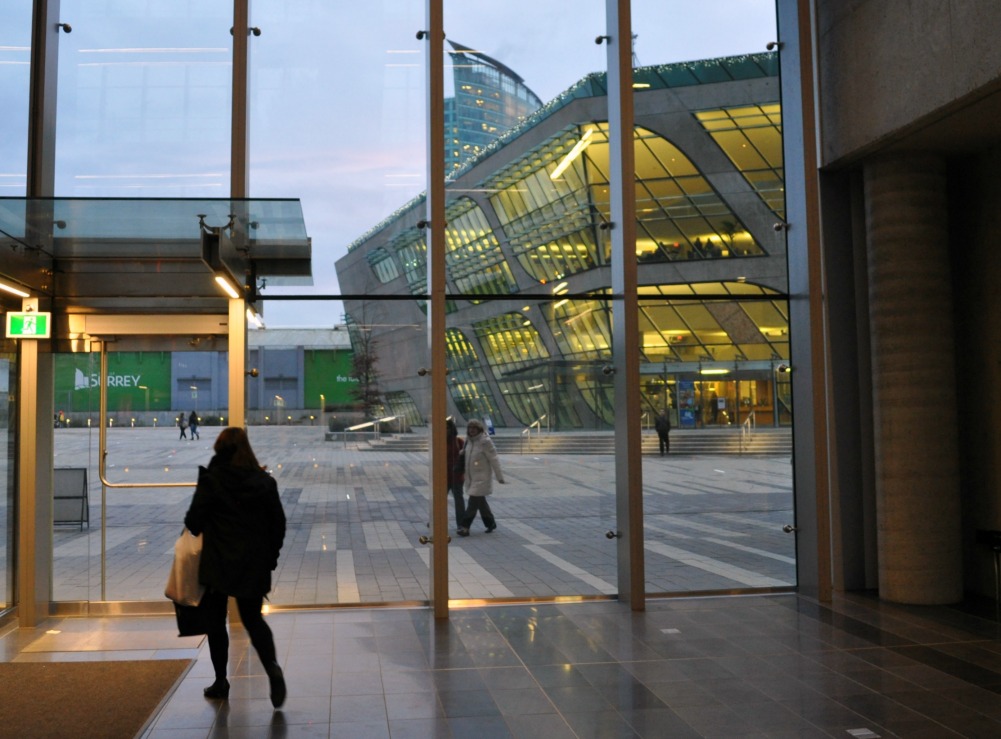
Library and civic plaza seen from Surrey City Hal

Library and civic plaza seen from Surrey City Hall

Surrey’s trimmed-down, still iffy light rail project is entering the preliminary design stage. We may get details in 2018, if things go well, on how the new train line and its stations will affect streets, sidewalks and private properties.

This project is a key component in local government’s drive to knit Surrey’s pattern of subdivisions into an urban unit. The new trains would link Newton and Guildford, both sizable retail and employment zones, with City Centre and nearby Innovation Row. Surrey’s population is approaching half a million, and the 10-year-old City Centre initiative is creating a new hub for jobs and investment with the potential to rival downtown Vancouver  The LRT project is also intended to spark mixed-use development in neighbourhoods along the way. Continue reading

Transition and uncertainty in the Phoenix arts district

mural-1-reduced

Arizona is a fine place for climate and landscape, but the big-city points of interest are dispersed. Metro Phoenix has a slightly larger population (3.3 million) than Metro Vancouver with 10 times the geographic area. Development rambles across  low-rise, single-use residential and industrial tracts, often walled and sometimes gated in the newer zones, carved up by broad, high-speed arterial roads.

At the historic heart of the region, “downtown Phoenix appeared [in 2012] as one of the top results in a Google search for Arizona ghost towns.” The city government is working to shift this perception, accelerating a long-standing effort to create livable neighbourhoods on the downtown perimeter, especially around Roosevelt Row, a modest cluster of art galleries and cafes. Output from the City includes area design guidelines, the establishment of an Economic Development Commission to build a Roosevelt Row brand, and a survey-based report from the Commission on community priorities. With new housing, a newish rapid transit line with an Arts District stop, and an intensive program of public events, the American Planning Association was moved in 2015 to declare Roosevelt Row one of America’s “great places.” Continue reading

A Fraseropolis report for 2016

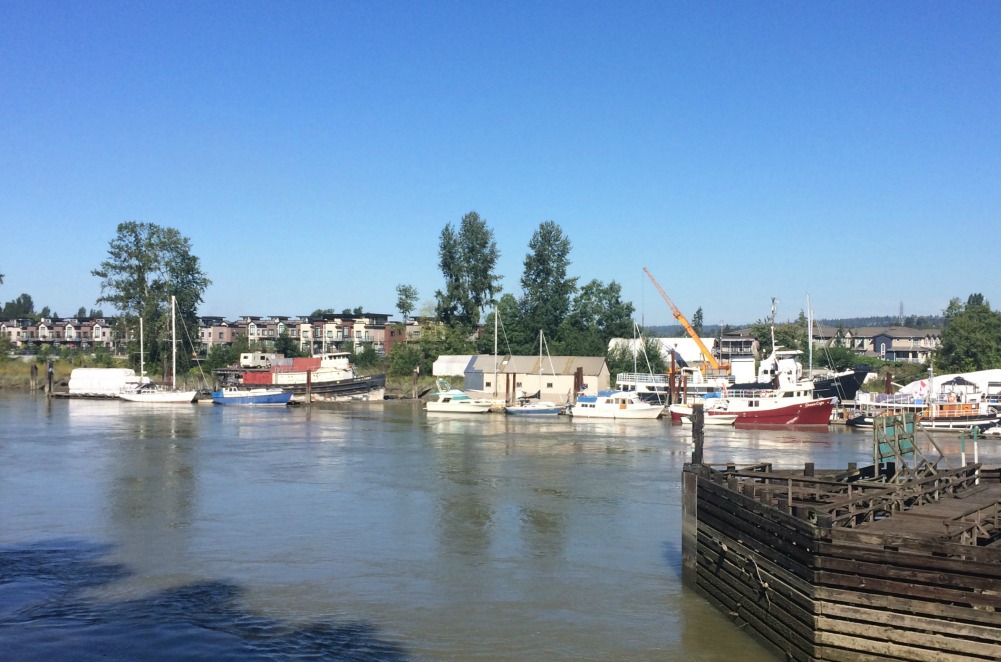
qboro-from-a-island-reduced

South arm of the Fraser River at the Derwent Way Bridge, Delta

Fraseropolis is a one-editor operation, with input from our co-tourists. We launched the site out of personal interest in the summer of 2011 to explore communities in British Columbia’s Lower Mainland, and to post notes on the functions and dysfunctions of local institutions.

In both 2015 and 2016 we had about 10,000 visitors, an average of close to 30 per day. About 82 per cent of visitors in 2016 came from inside Canada, 10 per cent from the United States, and the rest from elsewhere. Continue reading

The shift to apartment living

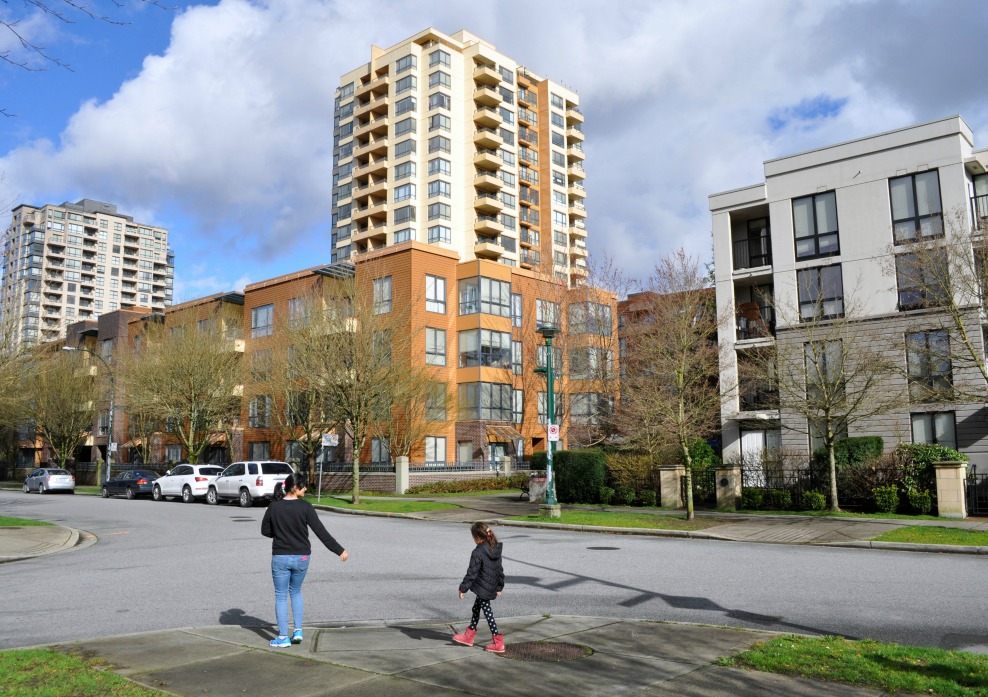
Joyce-Collingwood urban village, Vancouver

Joyce/Collingwood urban village, Vancouver

A couple of decades ago, half the private dwellings in Metro Vancouver were classified as detached homes. That share has dropped steadily, to one-third or less. A growing majority of private dwellings are apartments, townhomes or duplexes.

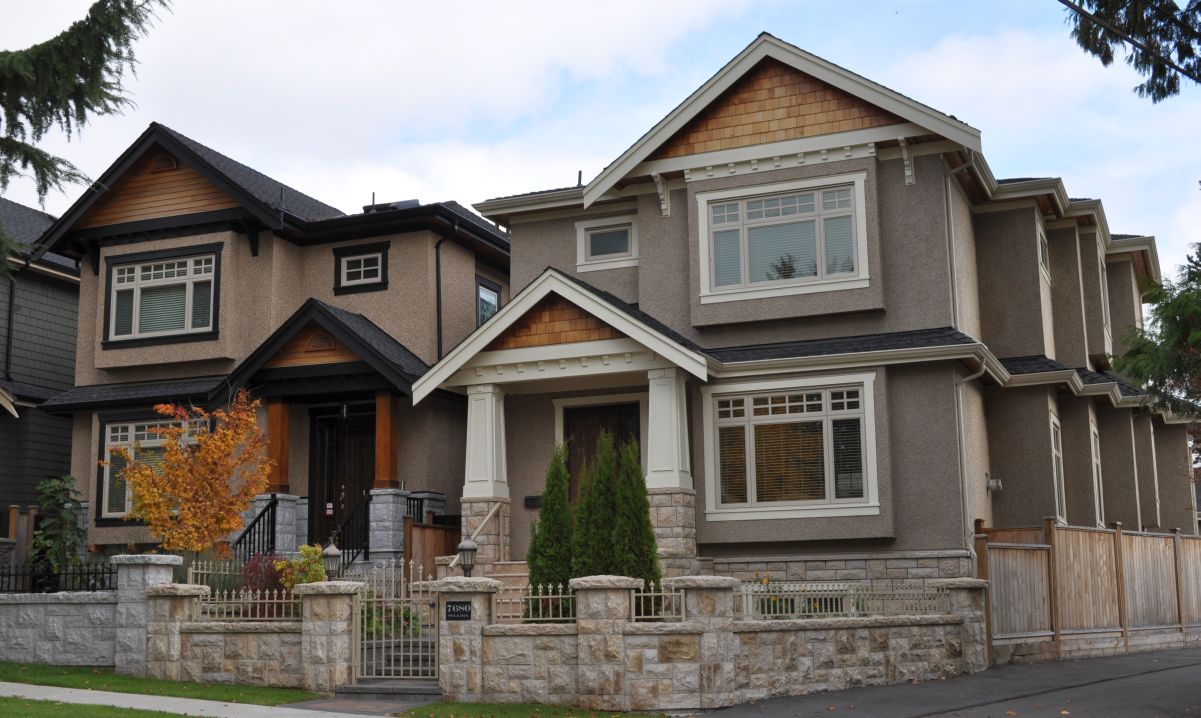
Post-2000 detached houses, Marpole, Vancouver

Post-2000 detached houses, Marpole, Vancouver

The trend is not news. Most of the available statistics, posted again in this month’s Metro Vancouver Housing Data Book, date from 2011. Even so, the discourse around housing continues to highlight low-density, high-prestige home ownership, even when this housing type has moved beyond the reach of most working families. National media coverage of Vancouver-area real estate in 2015 and 2016 focused on the stunning rise in detached home prices, not on the more modest increases in townhome and apartment prices. Controversies around  residential development, from Marpole on Vancouver’s west side to Brookswood on the region’s eastern edge, are most often constructed around perceived injury to the interests of detached home owners. In a July 2016 legislative debate on measures designed to cool Metro Vancouver’s housing market, British Columbia’s finance minister noted that the absolute number of detached homes in the Metro region has dropped over the past 25 years despite the addition of more than a million people to the population. He called this data “fascinating”, as if he was coming across it for the first time. Continue reading