Cheaper and cheaper to buy at the edge

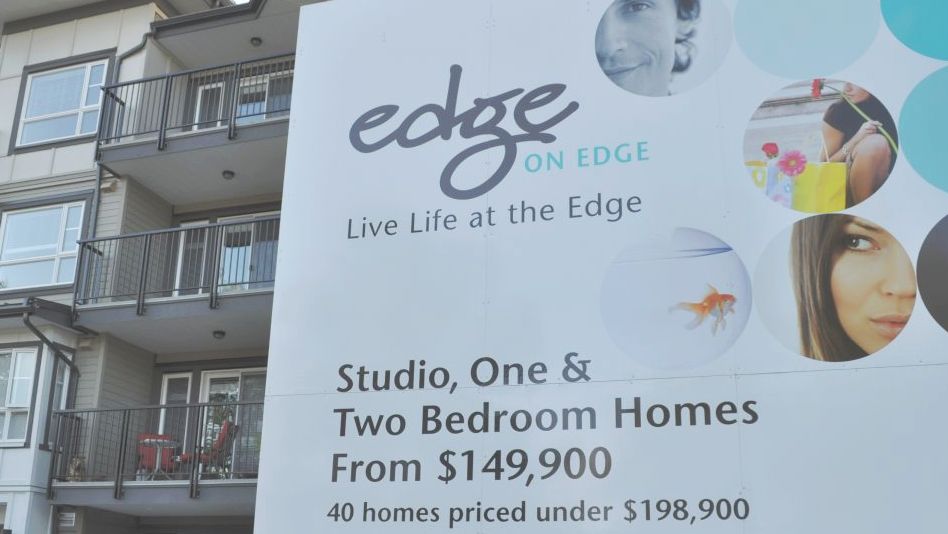
New apartments for sale, Edge Street and Brown Avenue, Maple Ridge, July 2013

New apartments for sale, Edge Street and Brown Avenue, Maple Ridge, July 2013

I’ve considered the question of Vancouver housing prices for some years, and will venture a conclusion.

Housing prices are high and rising in the City of Vancouver because people want to live in Vancouver. (And at a benchmark price of $2 million for a detached home on the west side, those prices are spectaular.)

Housing prices are lower and declining around the urban perimeter, for example in Mission or Squamish, because fewer people want to live there. Does this seem too simple? Continue reading
The long-term weakness in apartment prices

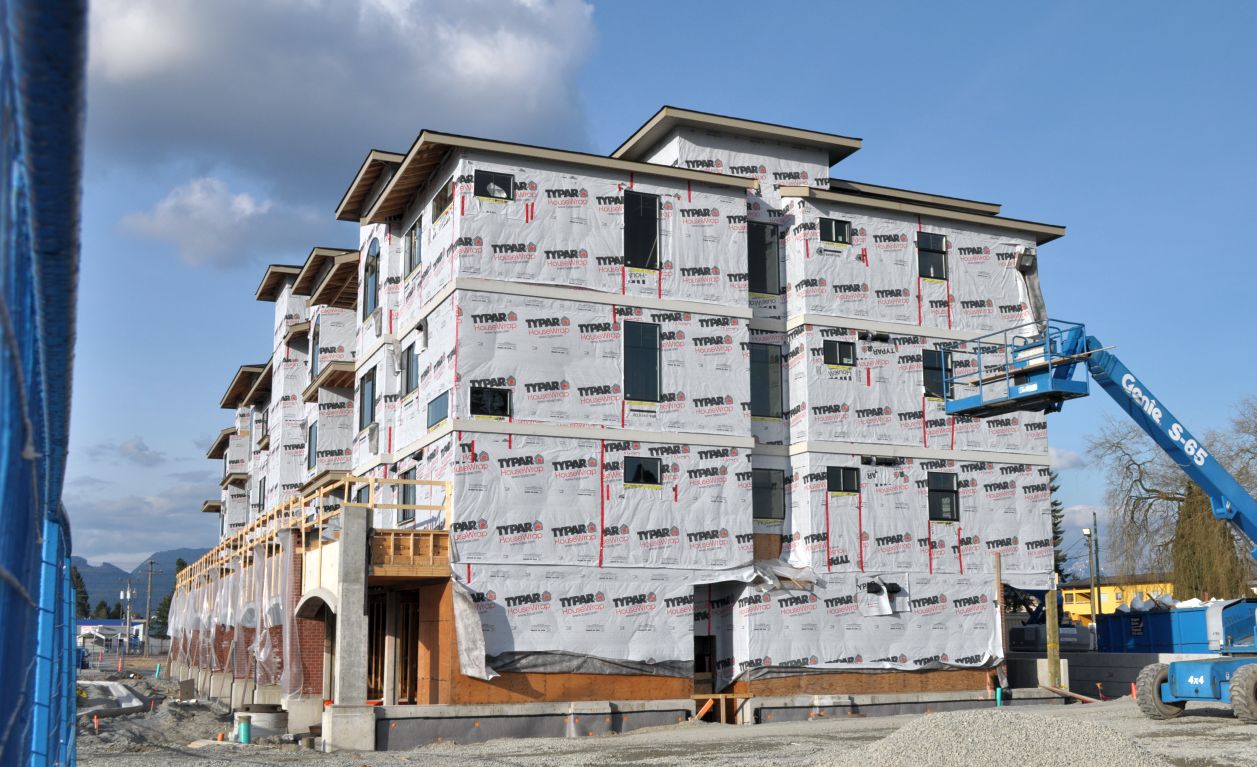
Apartments under construction, Maple Ridge, March 2013

Apartments under construction, Maple Ridge, March 2013

As we mentioned last December, detached homes in the priciest parts of Greater Vancouver continue to hold their value despite predictions of a crash. Houses in  Vancouver West (west of Ontario Street), the most expensive real estate zone in B.C., are 28 per cent above the levels of five years ago, while adjacent areas such as East Vancouver and Richmond are almost as strong.

Apartment markets are weaker across the board, according to current figures from the Greater Vancouver and Fraser Valley real estate boards. In every market from  Abbotsford to West Vancouver, detached homes have outperformed apartments over the past five years. Continue reading

Rental housing: Vancouver stands alone

Rental housing starts in Vancouver, 1950-2000Just over a year ago we reported on an effort by the Metro Vancouver regional authority to push for a better federal tax environment for rental housing construction.  With the demise of Ottawa’s Multiple Unit Residential Building tax credit in the 1980s, and the retreat of senior governments from funding non-profit housing development, the rate of purpose-built rental housing construction has steadily slipped over time.  It’s clearly more profitable, under the current system, to build homes for sale.  The graph on the left, from a City of Vancouver document, illustrates the decade-by-decade trend.

This matters for a bunch of reasons. At the minimum, let’s say that 1) rental housing fills a need for low-income seniors, low-income workers, transient workers and young people, and 2) the existing stock is falling down from old age. Continue reading

Speculation and stagnation in the real estate market

Burnaby Heights

Burnaby Heights

Home prices have sagged across Fraseropolis in recent months, but they’re still something of a marvel.  Realtors estimate the “benchmark” cost of a detached house in north Burnaby at close to $1,000,000;  west of Ontario Street in  Vancouver, the figure last month was above $2,000,000.

So, inevitably: is there a residential real estate bubble in British Columbia’s Lower Mainland? Are we verging on a crash?  Is it time to panic?  This debate has run on for years, and I won’t issue a ruling here, except to observe that the pricey parts of the region have tended to get pricier over time, despite the fretting, while home prices in the least expensive areas have stagnated (see the chart at the bottom of this post.) Continue reading