On November 15, voters in most of British Columbia voted for continuity in local government. Where there was change, it was generally more generational than ideological. (And if there was no competition, such as for the mayor’s position in the District of North Vancouver, there was no voting at all.) In Metro Vancouver, continuity means further densification, often through tower development. For the most part, anti-development movements were turned back at the ballot box.
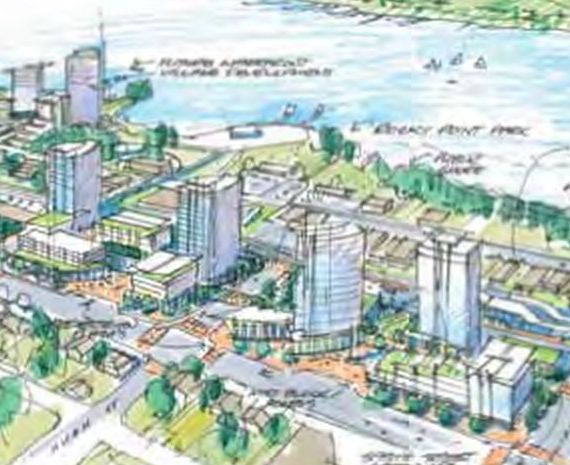 Let’s start with the single partial exception. In Port Moody, city government had proposed a dramatic plan to densify the central area, responding to the anticipated opening of a new rapid transit line. An opposition movement bloomed, peaking in late 2013, vowing to protect Port Moody’s (fictitious, I think) “small-town feel.” I do not know what this means; Port Moody has allowed monster detached homes to run halfway up Heritage Mountain, and its manufactured urban villages are heavy with towers. In any case, the opposition leader ran for mayor, and did okay, but he was defeated by incumbent mayor Mike Clay. The mayor lost some allies on council, and at least one newcomer has vowed to protect the “small-town feel.”. Both sides say they won. Clay says his central area plan, scaled down in 2014 to appease the critics, will be implemented. Over time. Continue reading

 Fraseropolis