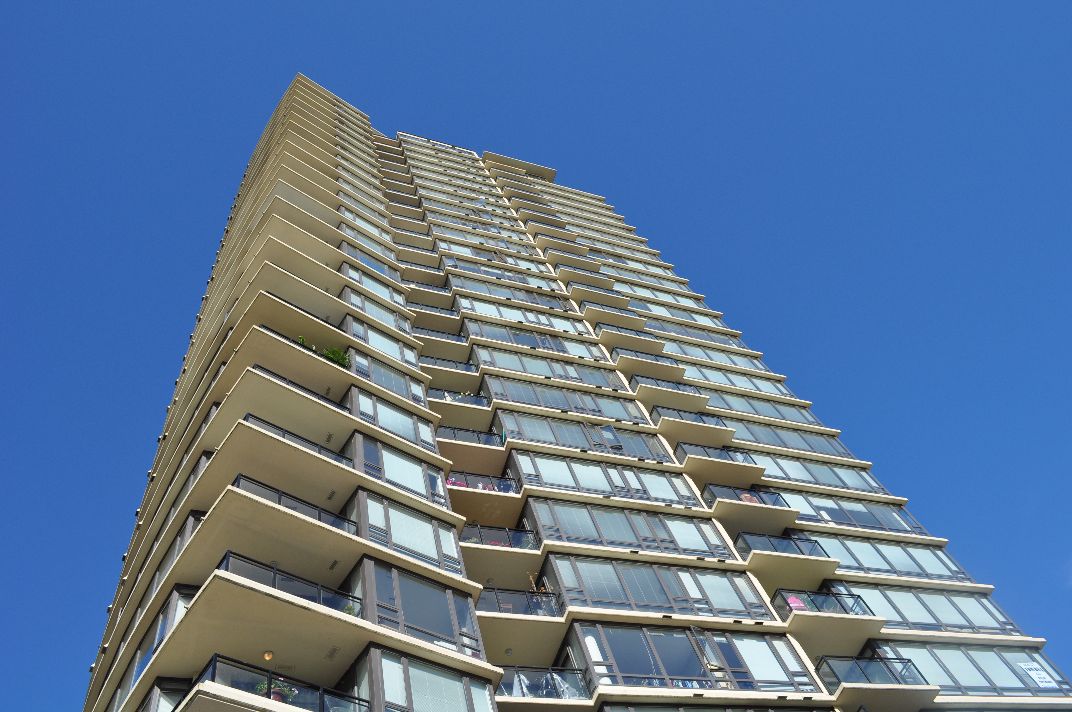
 Of all the Metro Vancouver suburbs, Port Moody has worked most diligently in the past 15 years to manufacture city-like environments, based on the expectation that rapid transit was coming soon. Thousands of people are waiting for that first train.
NewPort Village, a pedestrian-oriented ring of retail shops and condos protected from through traffic (some might call it “Whistler-style development”) opened about 1997. It’s been almost freakishly successful, attracting a cluster of residential towers.
More recently, development jumped to the west side of Ioco Road, where a kind of mini-Yaletown has sprouted up. In 2009, however, Mayor Joe Trasolini imposed a moratorium on high-density development in Port Moody. “The population in the last 15 years has doubled . . . we’re being criticized for growing too much without infrastructure in place.” Continue reading

 Fraseropolis