Ambleside: “Living here is like being on vacation”

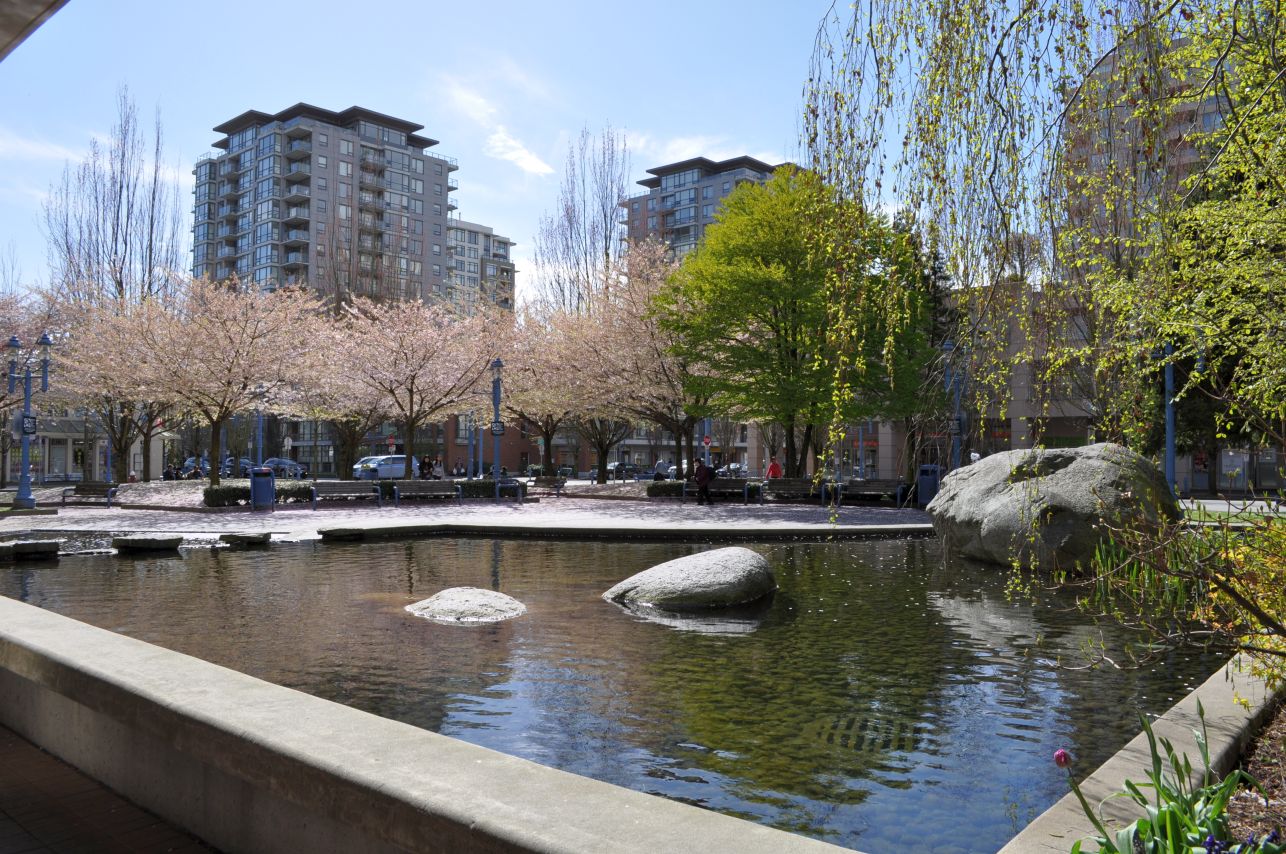
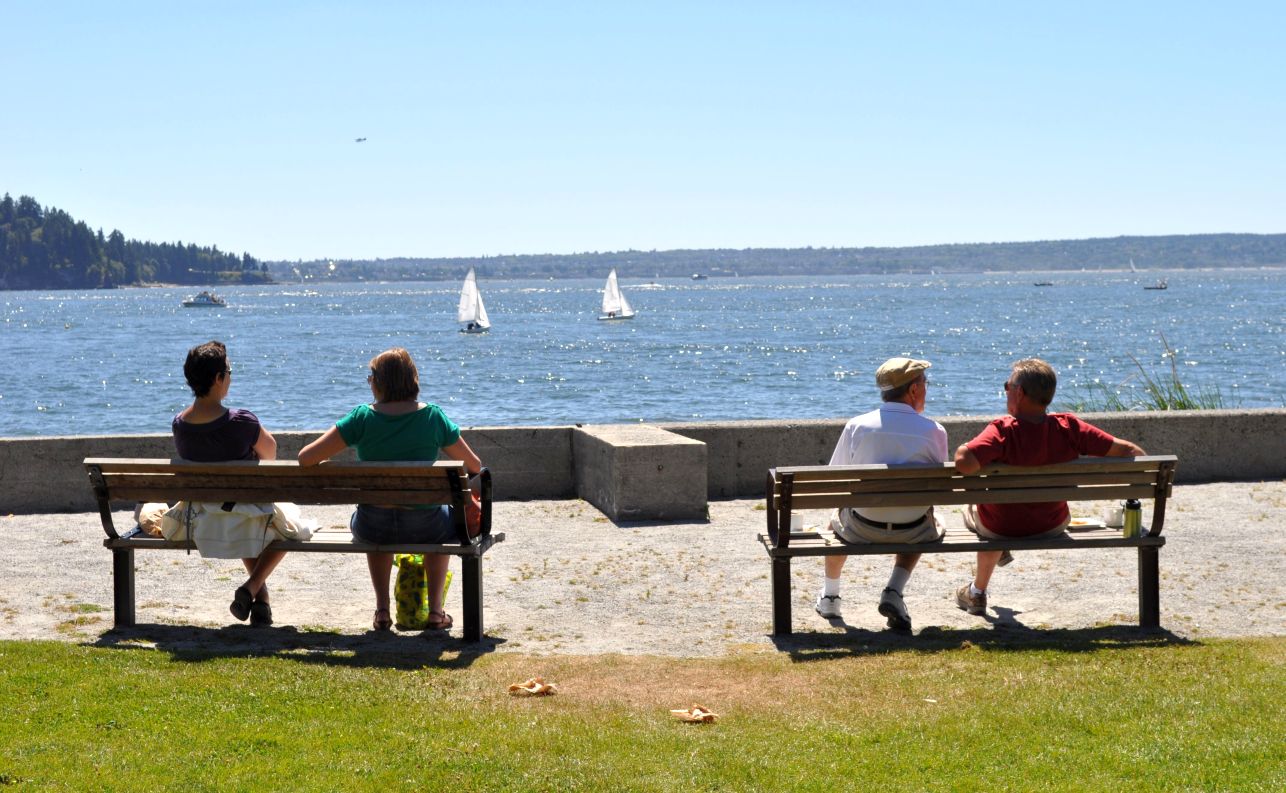
Ambleside waterfront reducedWe parked on Fulton Avenue, at the top of the functioning Ambleside village, and  walked down towards the high street. We met a man carrying two small bags of groceries; he said he had lived in a nearby condo apartment for more than 20 years and loved the village, the services, the scenic waterfront, all of them close together. “Living here is like being on vacation,” he said. With slight drawbacks:  it’s rainier than the big city, and it’s hard to plan for shows or meetings in Vancouver because of the unreliability of the three-lane Lions Gate Bridge.

Ambleside is located in the City of West Vancouver, the most affluent municipality in Canada measured by income and probably by municipal revenues per resident. For example, spending on public library operations (as reported here) is three times as high as in much of the rest of the Lower Mainland. The public services available in the village (rec centre, seniors activity centre, public space for artists) are perhaps the best in the region; commercial services such as the garden centre and the storefront hardware are rarely seen elsewhere; even the quality of the commercial architecture is a step or two above the norm. Continue reading
Tsawwassen’s “small town” centre

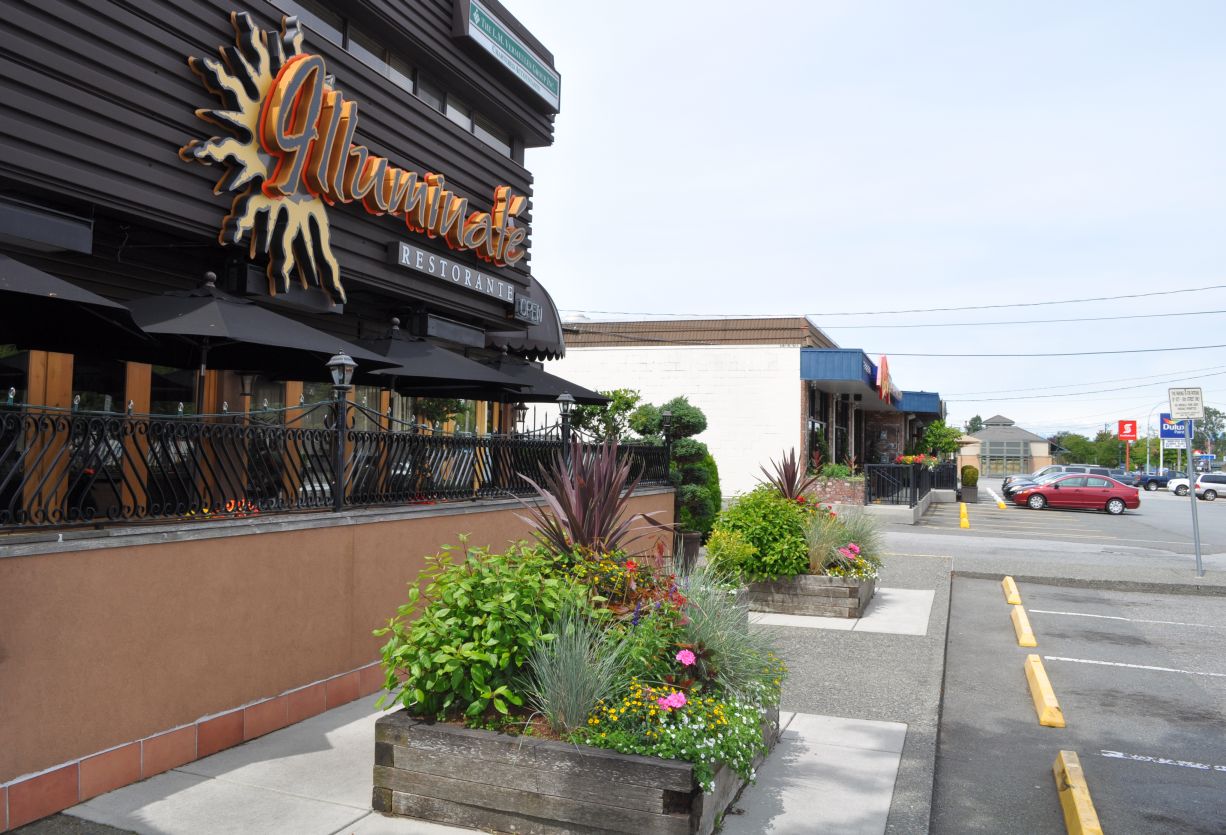
A restaurant fronting on mall parking, Tsawwassen, B.C.

A restaurant fronting on mall parking, Tsawwassen, B.C.

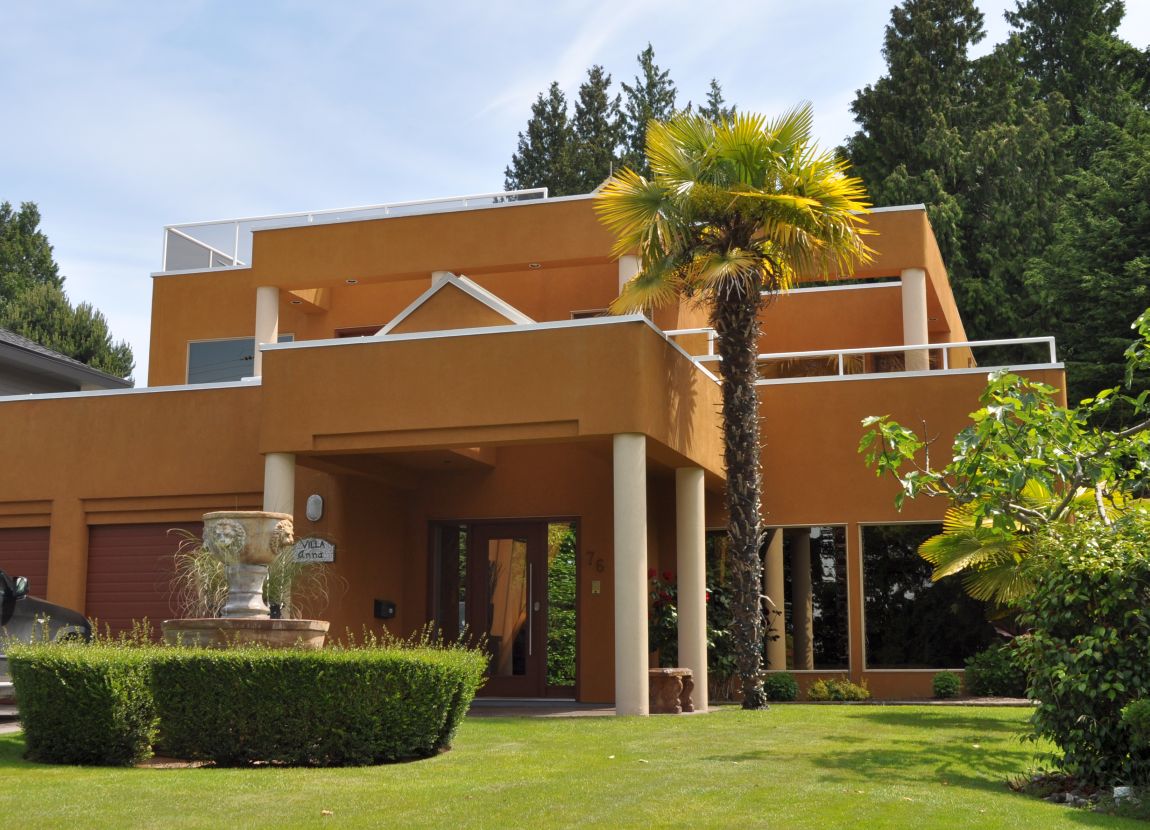
Tsawwassen is a cluster of neighbourhoods in the affluent municipality of Delta, in Greater Vancouver. It sits on a peninsula in the Pacific Ocean, warm and dry, getting half as much rain as many other parts of the region. As our waitress said, Tsawwassen lives in its “own little bubble,” away from the big-city mainstream.

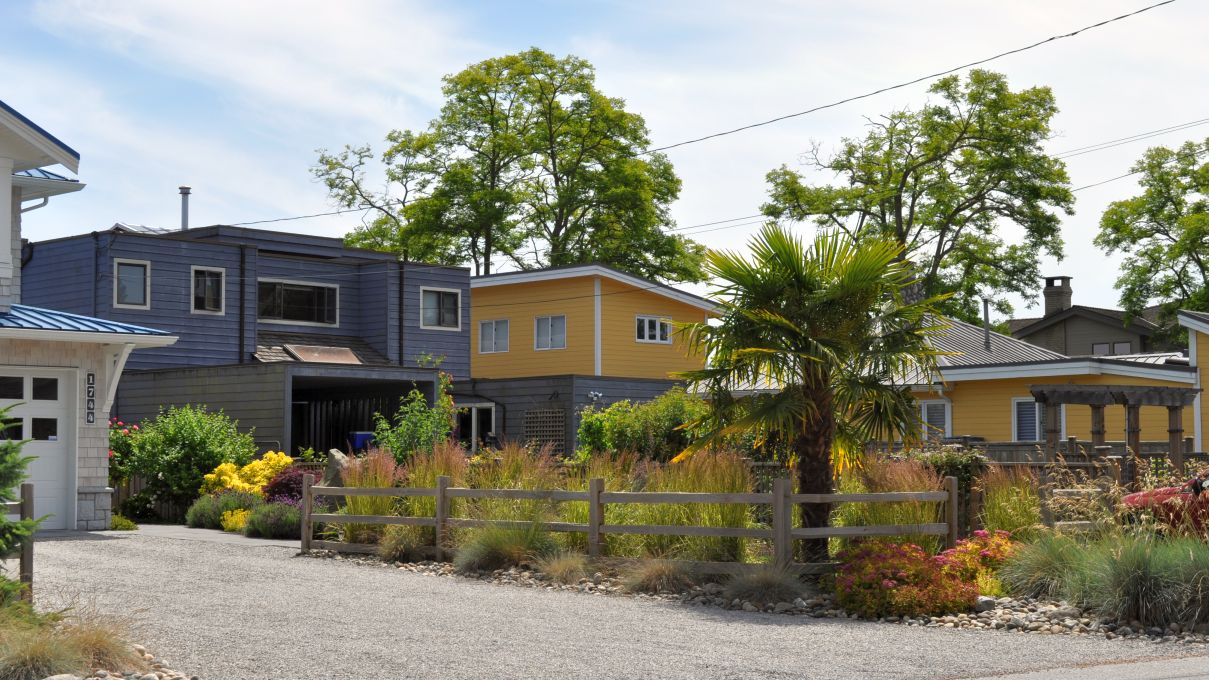
Oceanfront housing, Beach Grove, Tsawassen

Oceanfront housing, Beach Grove, Tsawwassen

Newish housing, English Bluff Road, Tsawassen

Newish housing, English Bluff Road, Tsawwassen

The local government’s official plan describes Tsawwassen’s character as “semi-rural”  (schedule D1-6); in fact, it’s a 1960s-style suburb with mostly quiet streets and average-sized lots. Construction activity is brisk, though, as the original 60s and 70s homes are knocked down and replaced. Continue reading

A wider definition of “urban village”

Behind the Public Market, Brighouse Village, Richmond City Centre

Behind the Public Market, Brighouse Village, Richmond City Centre

We launched the Fraseropolis Urban Villages project in March 2012, six months after opening this site. Our amateur definition of “urban village” focuses on places where residents can find everyday services, transit and housing choice within easy walking distance. Not everyone wants to live in a village; but a successful village attracts enough people that business and community life flourish.

Richmond City Centre

Richmond City Centre

The City of Richmond, British Columbia, in its 2009 whopper of a City Centre Area Plan, looks at the urban village in an expanded way. The Plan describes villages as a key part of the City’s City Centre development strategy, and identifies six of them. (“Candidate villages” might be a better name, since most of them exist only on the drawing board.) The Plan says that “‘Urban village’ is another name for the type of compact, walkable, transit-centred community encouraged by Transit-Oriented Development.”  Page 1-10 lays out a grid of required or encouraged village features. Continue reading

West Broadway village: genteel densification

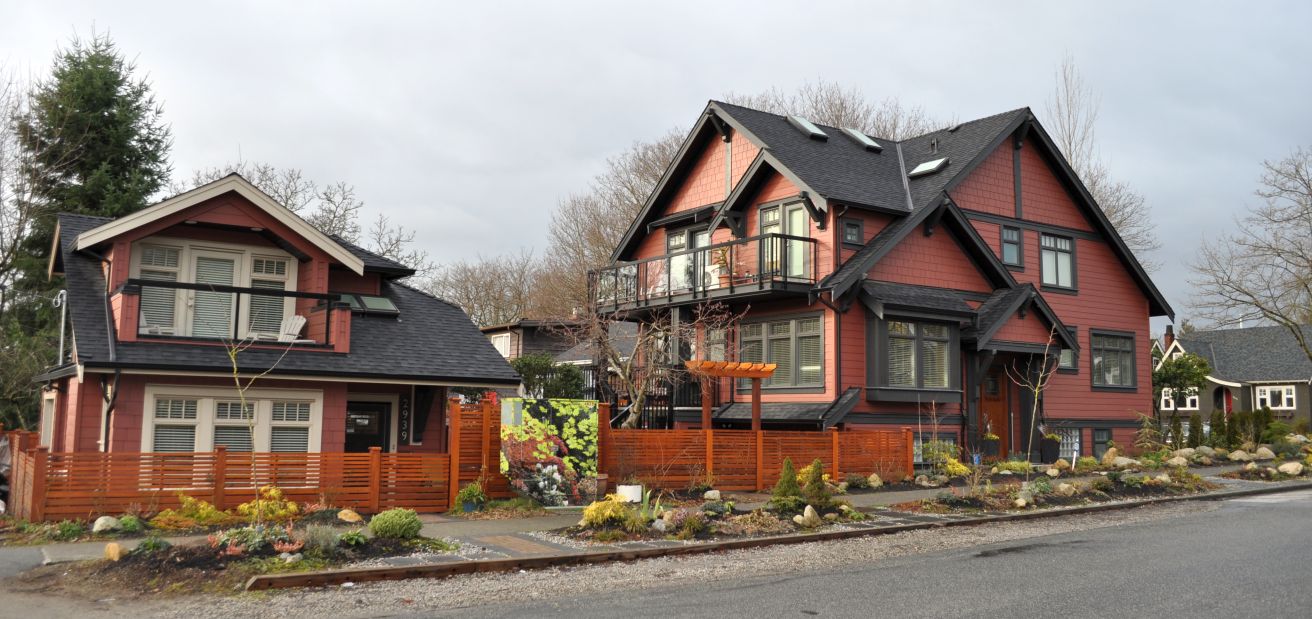
Coach house, Trafalgar Street, Vancouver

Coach house, Trafalgar Street, Vancouver

For decades, the City of Vancouver has pursued a strategy of creating new, densely-populated residential zones around unused industrial lands. (Yaletown is a good example.) Efforts to densify residential zones have generally been more cautious. When Council goes for the gusto, as with the multi-tower proposal for Kingsway and Knight, public opposition is often bitter.

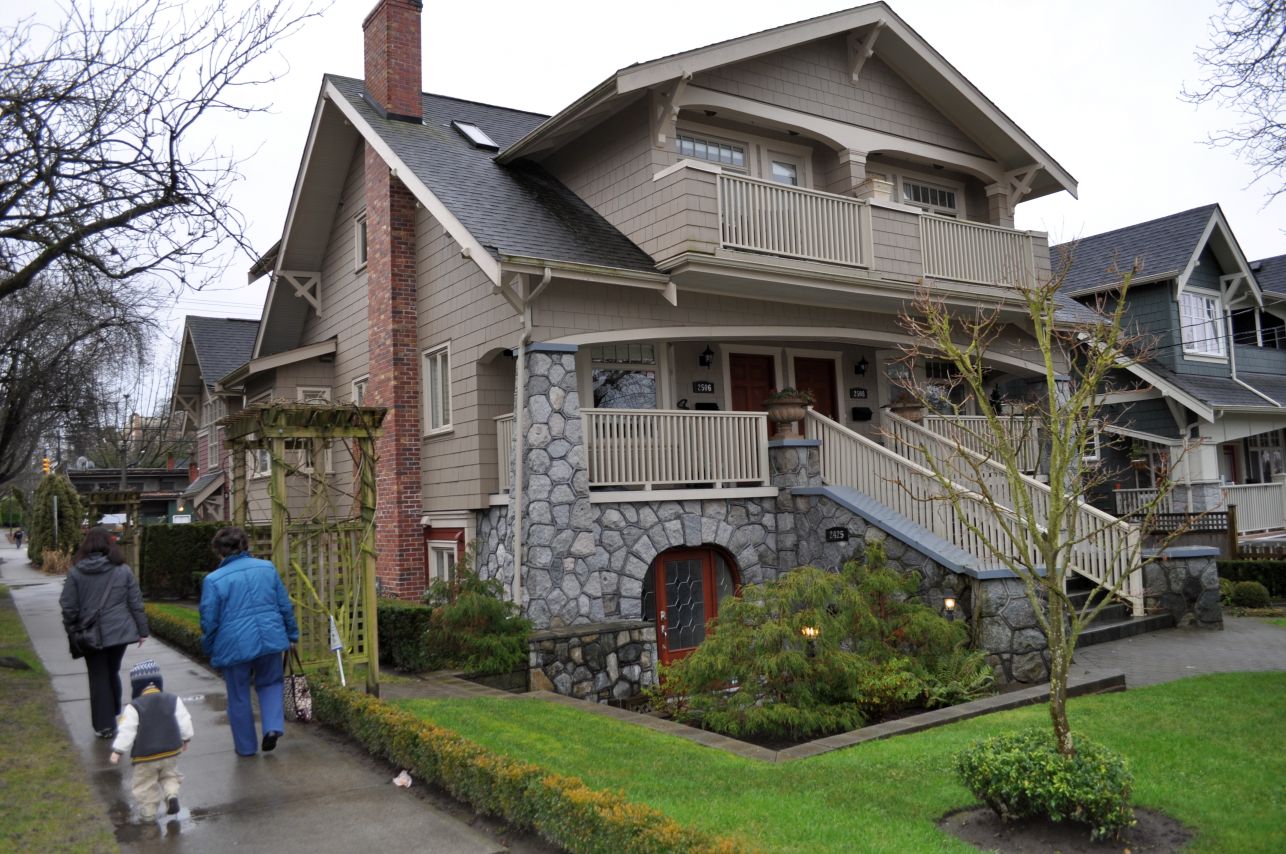
Larch Street: two units accessible from the main floor, one from the ground floor.

Larch Street: two units accessible from the main floor, one from the ground floor.

Vancouver’s West Broadway area is an example of creeping densification, an approach  designed to improve housing choice without triggering civil war. It’s achieved mostly by placing new mini-homes on large properties (as shown above), or by dividing vintage homes into multiple units (as on the left.) Continue reading