Cool concepts in road pricing for Metro Vancouver

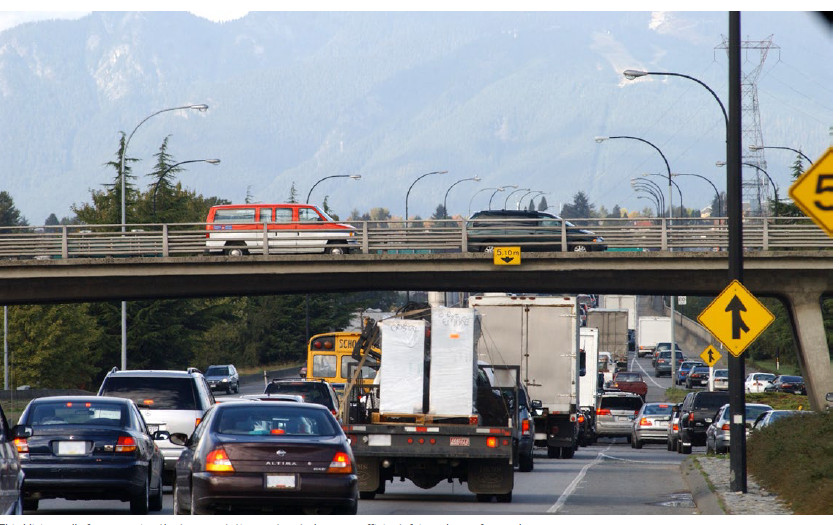
From the 2014 funding plan of the TransLink mayors

Photo from the 2014 funding plan of the TransLink mayors

In his first news conference this month as British Columbia’s minister for Metro  transportation, Peter Fassbender said road pricing deserves a “serious and concerted look” as a possible way to fund transit and regional roads. Mr. Fassbender is a former City of Langley mayor, now a provincial legislator, with a close knowledge of the issues. A sales tax proposal was defeated in a recent referendum; the 17-year-long search for a transit funding formula will now resume.

The road pricing mention matters to the region’s road users, especially long-distance commuters like me. We would face increased costs in return (supposedly) for quicker trips, because some motorists would choose other transportation modes or stay home. And reduced congestion would (supposedly) benefit all taxpayers by reducing the demand for new highway construction. Continue reading
Planning for renewal in Chilliwack

Dom 1

Vicki and I are loyal to Chilliwack. We worked with the City on community planning  projects in the 2000s and were impressed with Council’s vision and respect for citizen participation.

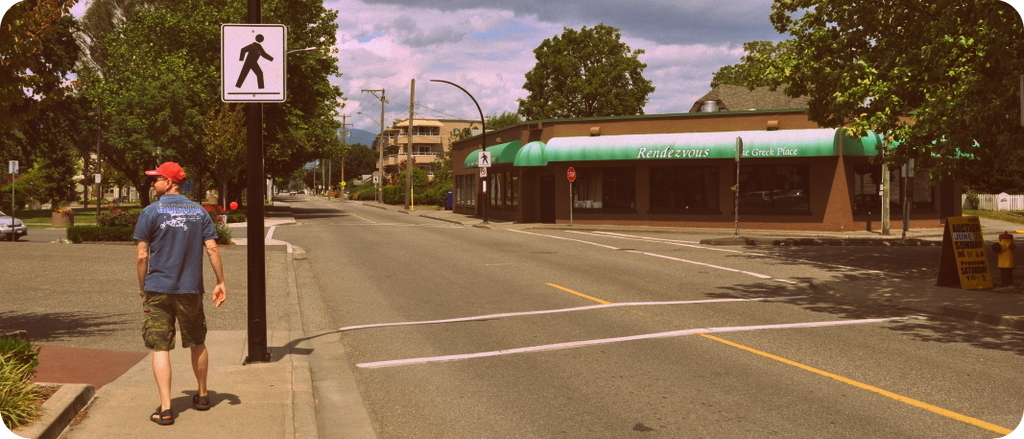
So on a recent Saturday visit with co-tourist Dominic Kotarski, I was saddened to see a downtown core on hold, with vacant lands, empty storefronts and few people on the streets. Continue reading

Portland light rail to the rescue


Max interiorThe Amtrak train broke down at the station in Vancouver, Washington, a 20-minute drive from downtown Portland in normal traffic.

Vancouver Washington rail operations (right) seen from the platform

Vancouver Washington rail operations (right) seen from the platform

The Amtrak people did not seem to have a customer service plan. After 45 minutes they announced they were working to fix a problem with “the air.” The temperature rose; outside it was 35 degrees Celsius or 95 Fahrenheit. After an hour and a half, most people had climbed out to seek refuge in the small air-conditioned station or mill about on the pavement hoping for a taxi. But there were few taxis to be had — one Vancouver taxi driver who ventured into the area refused to go to Portland, because he said he was nearing the end of his shift — and Amtrak was not providing emergency buses or suggestions on how to reach the city. Continue reading

A homeless camp in a Vancouver suburb

2015 homeless camp 1 reduced

Nicole Read, the mayor in my home city of Maple Ridge, won election as a political newcomer in November 2014. The local election campaign was marked by concern over downtown property crime, linked by some to the presence of homeless people in vacant spaces nearby. The homeless have been a prominent feature of the town centre for more than a decade, but the incumbent mayor and council were blamed and Read  got the political benefit.

Weeks after the mayor’s swearing-in, a colourful row of tents sprang up on a residential street 200 metres from my home. In the 2014 Metro Vancouver homeless count, Maple Ridge and Pitt Meadows together were said to have 39 unsheltered homeless people. By July 2015, the estimated population of the Cliff Avenue camp was about 60. Continue reading