The Metro transit referendum and the mayors

LRT car of the future, from the City of Surrey website

LRT car of the future, from the City of Surrey website

Over the past month, we’ve seen intense political bickering and positioning around public transit in Metro Vancouver.

Events are moving quickly, and I hesitate to offer conclusions — except to suggest that the struggle between the B.C. Government and local mayors threatens to overshadow the question of how to build a better transit system. Continue reading

Fraser Canyon hamlets and one-dollar houses

One-dollar houses 4

From downtown Vancouver, it’s an hour’s drive in mid-day traffic to the edge of the Metro regional district. It’s almost twice as far again to the edge of Metro Vancouver’s sister, or cousin, the Fraser Valley Regional District.

At this far edge we find the Fraser Canyon hamlet of Boston Bar, which shares a health authority with the City of Burnaby, at the border of the City of Vancouver, and membership in a public library network with the middle ring of Metro Vancouver suburbs. Continue reading

Port Moody’s shrinking, growing plan

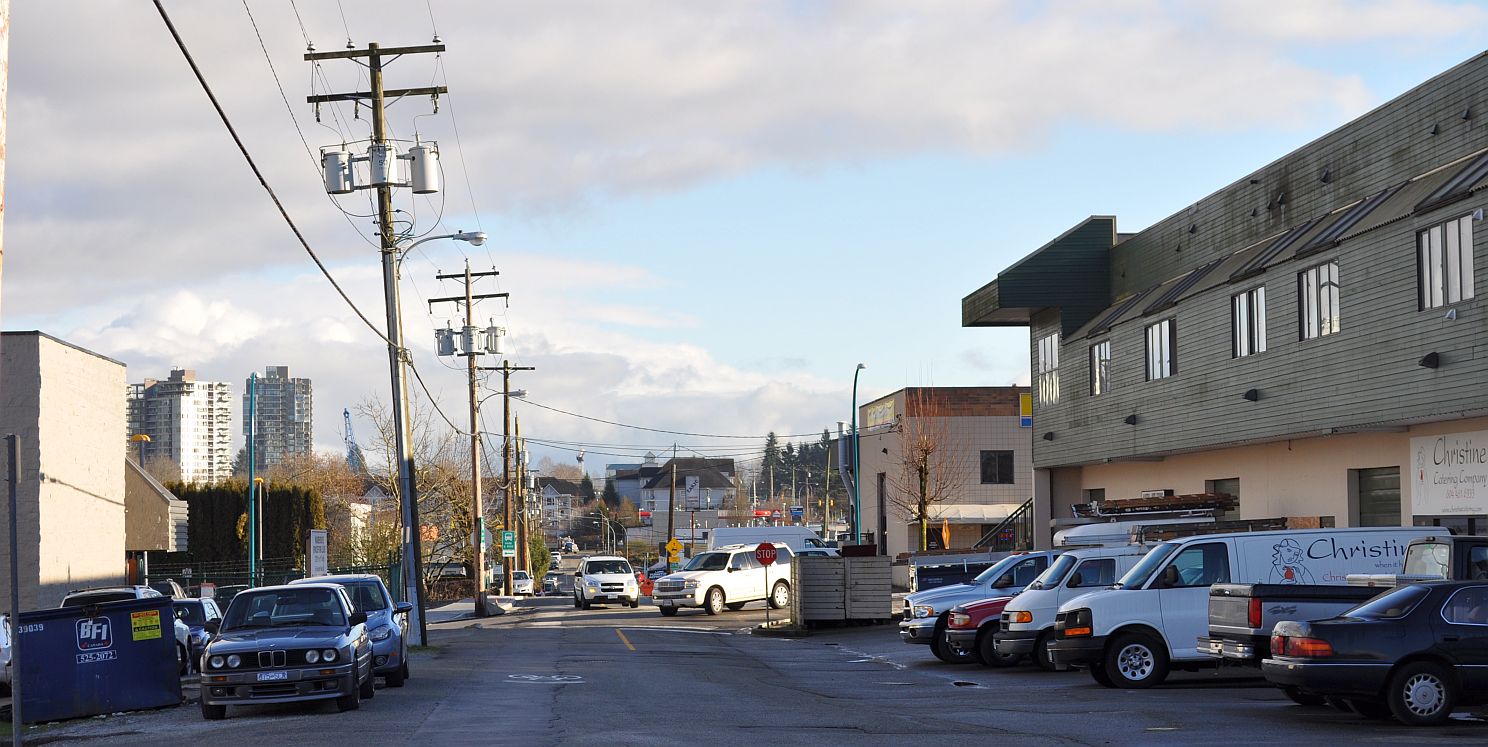
There Goes the Neighbourhood: Under the Port Moody plan, a four-block section of this laneway (Spring Street) would become a pedestrian thoroughfare in a high-density housing zone.

There goes the neighbourhood: under the Port Moody plan, a four-block section of this laneway (Spring Street) would become a pedestrian thoroughfare in a high-density housing zone.

Port Moody City Council is curbing its appetite for urban growth after the introduction last year of a bold plan to prepare for the opening of rapid transit.

This matters because Port Moody has taken an innovative approach to substance and process during its current planning cycle, and the choices made in this Metro Vancouver city will affect choices that are made elsewhere in British Columbia. Continue reading

The Main Street jumble

Just-off-the-high-street commercial space - a chocolaterie on Twenty-First Avenue

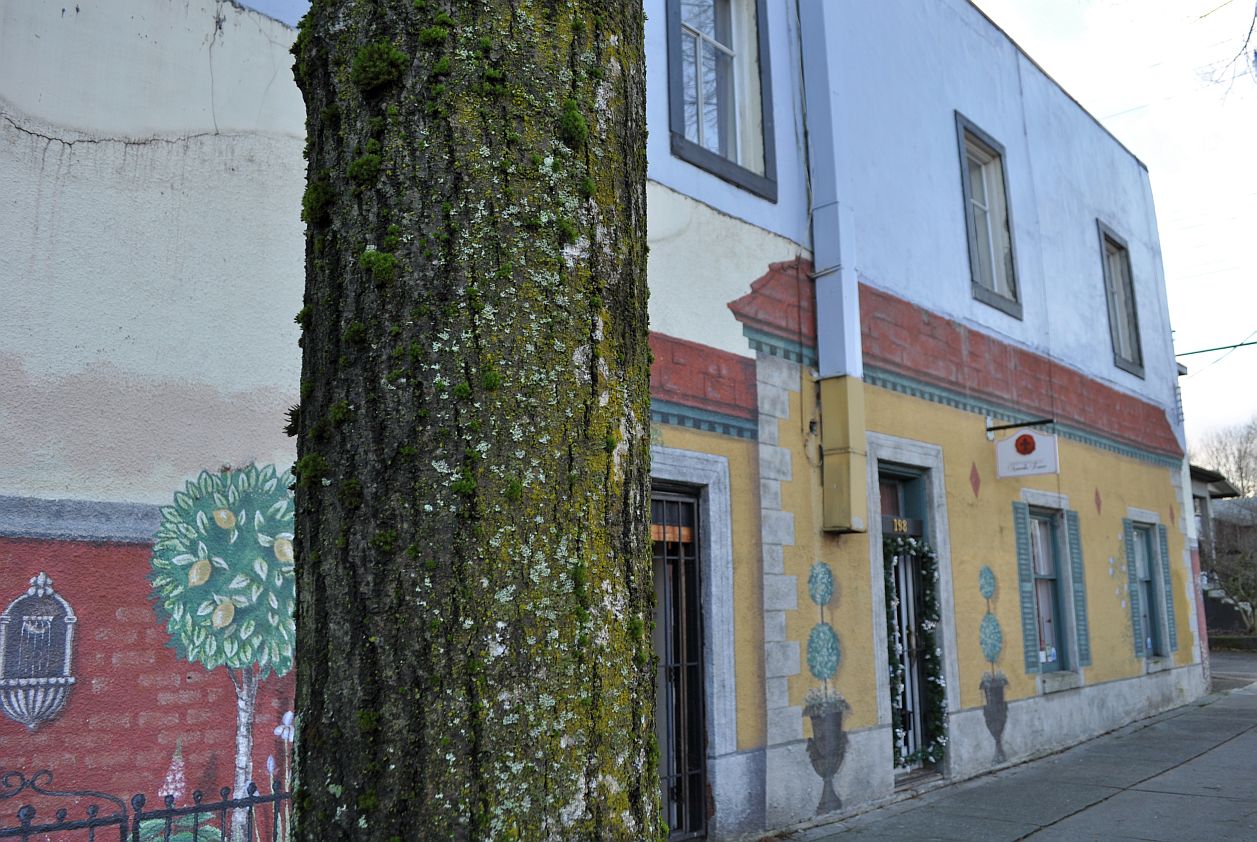
Just off the high street: a chocolaterie on 21st Avenue

The urban village, the subject of frequent posts on this site, is a walkable area that combines a diversity of services and housing choices with adequate transit.

Setting the boundaries of any urban village is partly a guessing game. By one convention, the average body will walk up to 1,000 metres to get access to village services. But which services? What’s in, and what’s out? In the City of Vancouver, with the most complex development patterns in British Columbia’s Lower Mainland, villages often overlap. This is certainly true of the neighbourhoods up and down Main Street: one of my favourite streets, but the result is difficult to photograph and to describe. Continue reading