A wider definition of “urban village”

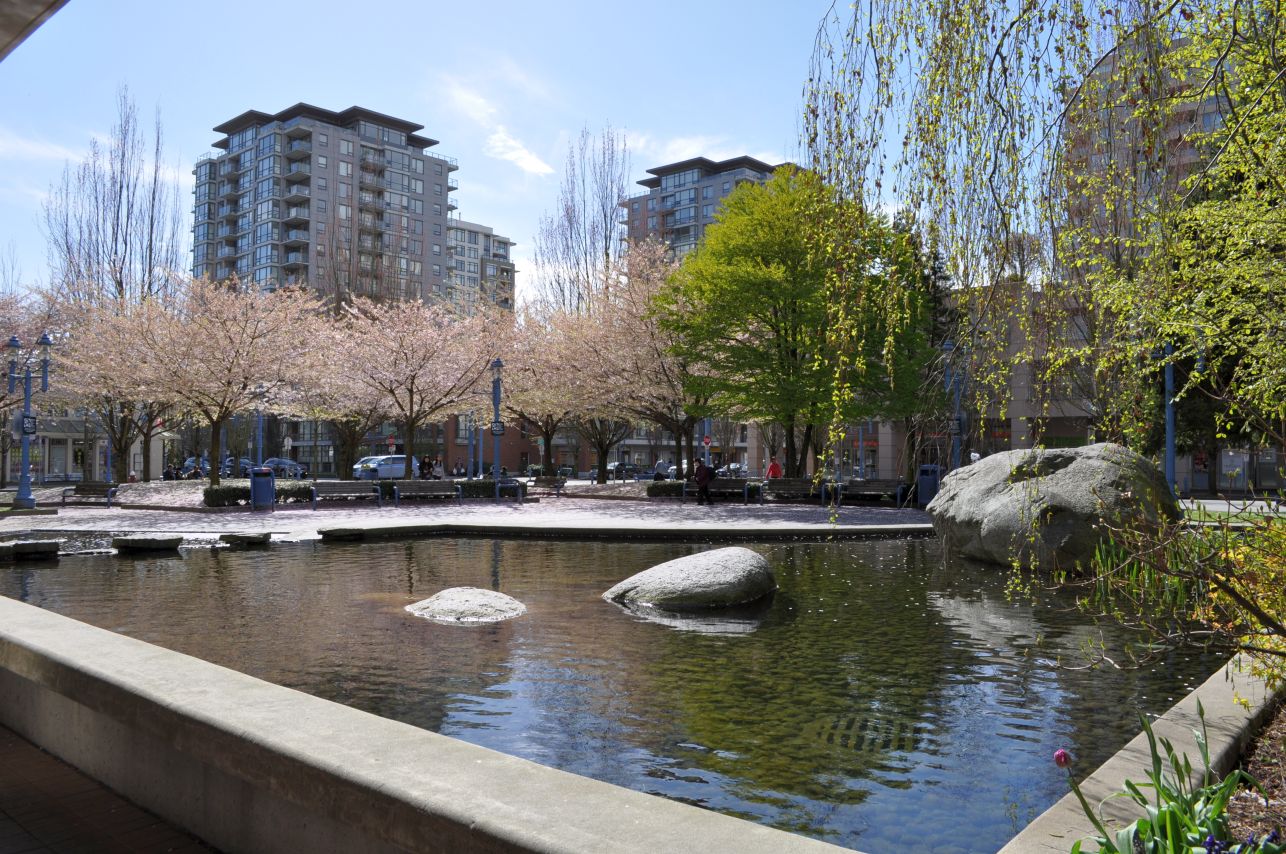
Behind the Public Market, Brighouse Village, Richmond City Centre

Behind the Public Market, Brighouse Village, Richmond City Centre

We launched the Fraseropolis Urban Villages project in March 2012, six months after opening this site. Our amateur definition of “urban village” focuses on places where residents can find everyday services, transit and housing choice within easy walking distance. Not everyone wants to live in a village; but a successful village attracts enough people that business and community life flourish.

Richmond City Centre

Richmond City Centre

The City of Richmond, British Columbia, in its 2009 whopper of a City Centre Area Plan, looks at the urban village in an expanded way. The Plan describes villages as a key part of the City’s City Centre development strategy, and identifies six of them. (“Candidate villages” might be a better name, since most of them exist only on the drawing board.) The Plan says that “‘Urban village’ is another name for the type of compact, walkable, transit-centred community encouraged by Transit-Oriented Development.”  Page 1-10 lays out a grid of required or encouraged village features. Continue reading

Port Moody plans transformation to greet Evergreen Line

A concept view of the future approach to the Clarke Road/Barnet Highway intersection, arriving from Vancouver on the Barnet. From the City of Port Moody draft OCP, March 2013

A concept view of the future approach to the Clarke Road/Barnet Highway intersection, arriving from Vancouver on the Barnet. From the City of Port Moody draft OCP, March 2013

The City of Port Moody, a part of Metro Vancouver, has unveiled a draft Official Community Plan that would enable densification or superdensification along the new Evergreen rapid transit line, on track for completion in 2016.

The updated Community Plan, commissioned by City Council in early 2012, shows that Port Moody’s population grew from 18,000 in 1991 to 34,000 in 2011. Part of that growth anticipated the arrival of rapid transit with the creation of a pair of trendyish tower-dominated neighbourhoods, NewPort Village and its clone. The TriCity News reports  that the proposed planning changes could help push the local population to 60,000. The paper’s un-named reporter appears to support the plan. Continue reading

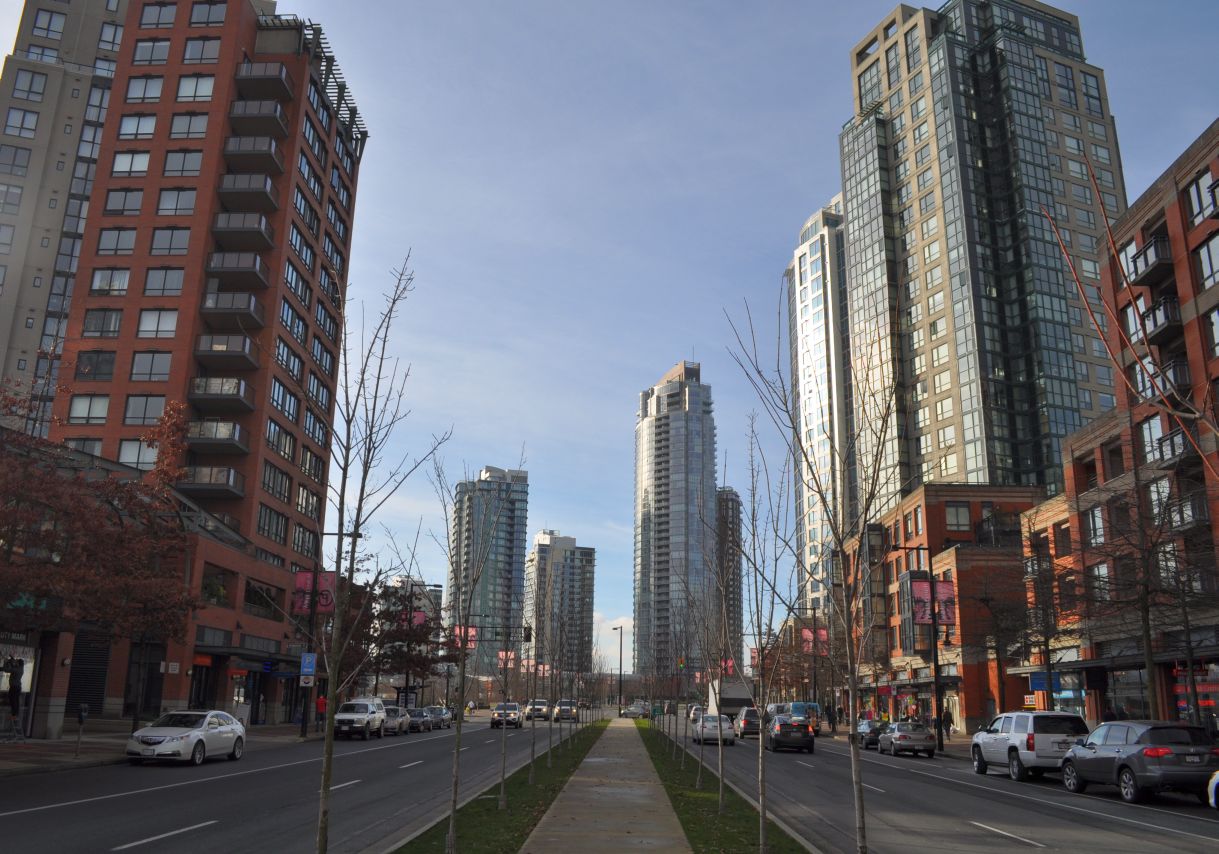
Where is Yaletown?

Pacific Boulevard, Vancouver

It’s a mark of success for an urban area when its boundaries expand in the popular definition.  White Rock, for example, has strict municipal borders, but you can’t see them on the street, and many residents of nearby South Surrey claim to live in White Rock.  “White Rock” sounds nicer.

Vancouver’s south downtown saw a residential construction boom after 2000, and many construction-site billboards invited buyers to invest in “Yaletown.” So where is Yaletown?  The City’s website is coy on the subject, affirming that the neighbourhood is popular without showing its location. Continue reading

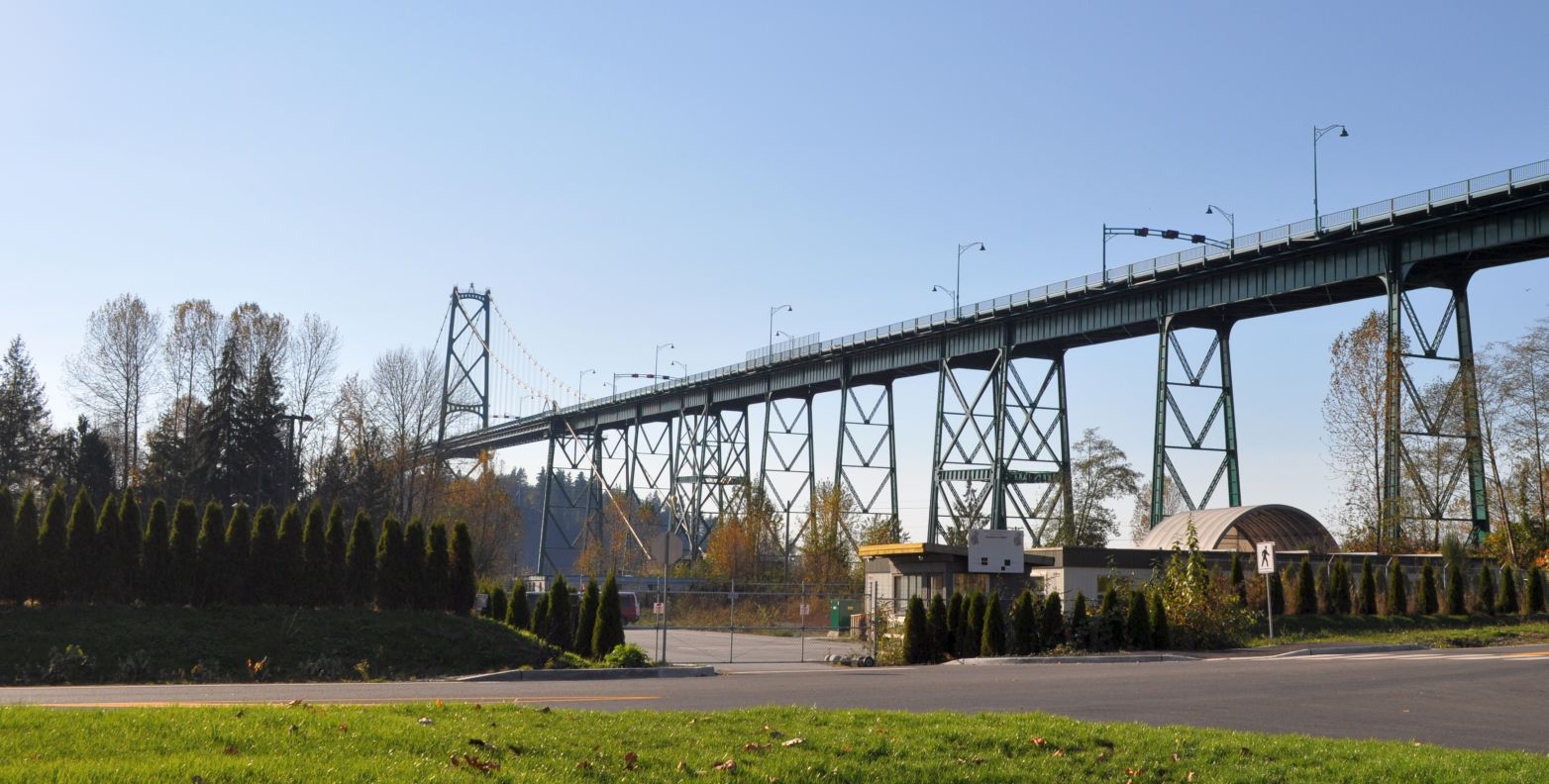
Knocking down the Lions Gate Bridge

The bridge from the north shore of the Burrard Inlet

By the mid-1990s, the Lions Gate Bridge was rusting badly. Just three lanes wide, one of only two routes into the City of Vancouver from the north, it was often congested.  British Columbia’s premier of the day, Glen Clark, looked at the options and approved the destruction of the 1930s-era iron bridge and its replacement with a new, bigger  crossing.

Lions Gate Bridge detail, seen from the east side of the deck

I’ve worked on road and bridge projects that turned out well, but this was not one of them.  We had done an opinion survey, and as I remember the results were quite cheerful. Three quarters of respondents across Metro Vancouver were prepared to support a four-lane bridge with tolls, including half the respondents in the City.  However, as soon as the project team was settled into offices on West Georgia Street, that support melted away.

Continue reading