Another year, another TransLink funding proposal

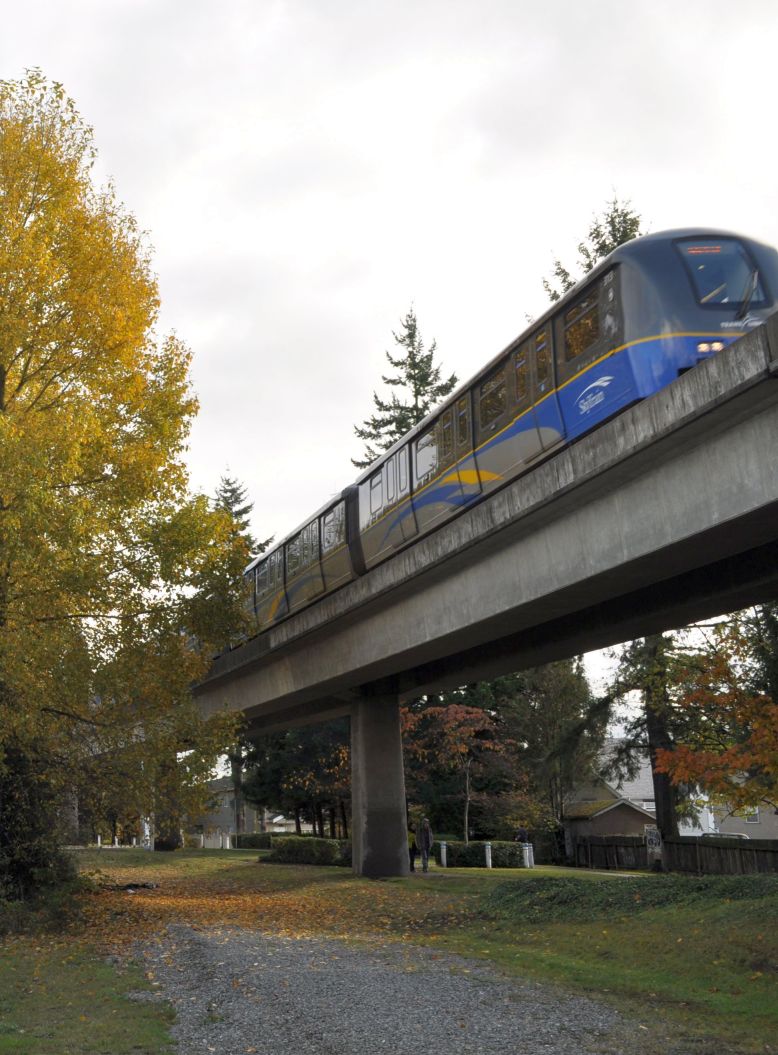
Skytrain, BurnabyIn its most recently posted quarterly report,  Metro Vancouver’s transit authority forecast that it would provide 370 million passenger trips  during 2012. In the nine months ending September 30, traffic was up 5.5 per cent from the previous year.

TransLink is struggling to expand its system to serve more passengers, notably with the current construction of the Evergreen rapid transit line in the northeast sector. A growing transit system provides numerous benefits, including labour mobility, increased educational opportunity, and a better quality of life for seniors, kids and many other people who don’t drive. Continue reading
Where is Yaletown?

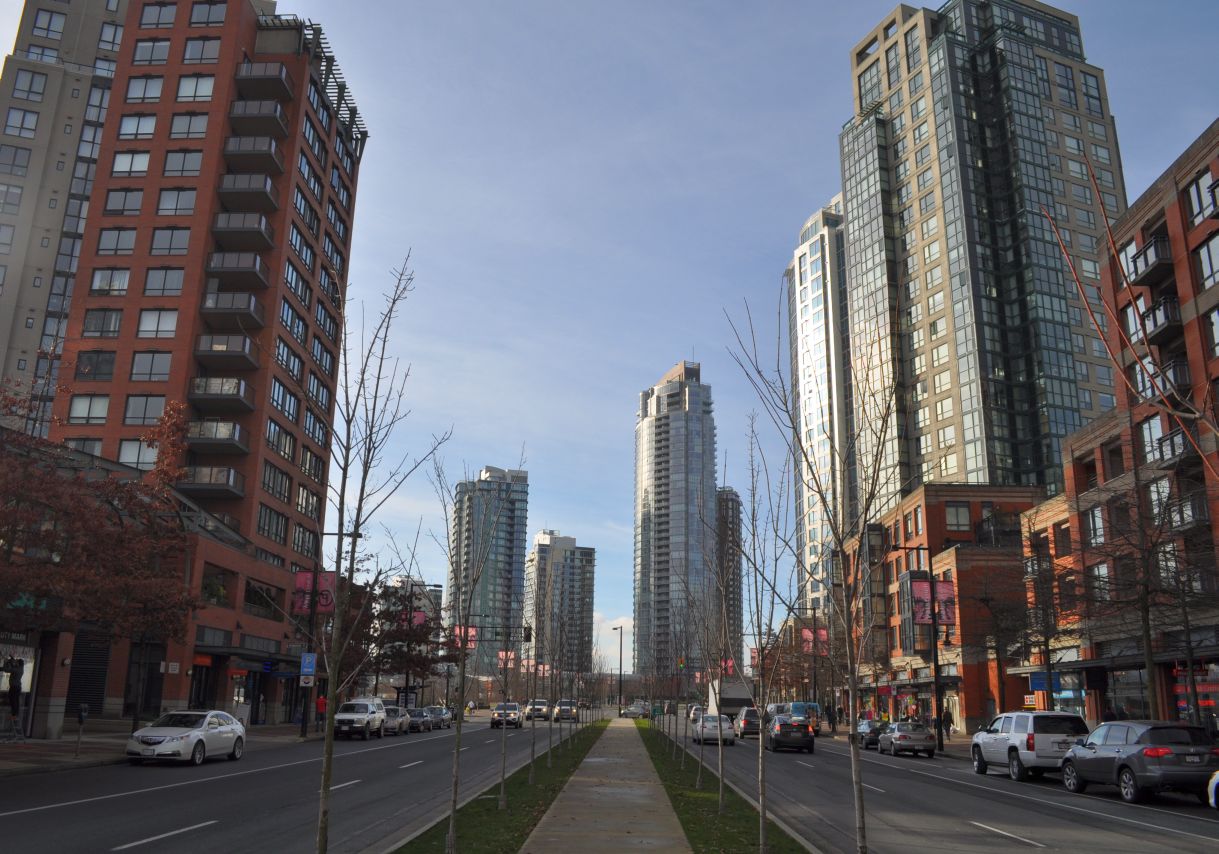
Pacific Boulevard, Vancouver

It’s a mark of success for an urban area when its boundaries expand in the popular definition.  White Rock, for example, has strict municipal borders, but you can’t see them on the street, and many residents of nearby South Surrey claim to live in White Rock.  “White Rock” sounds nicer.

Vancouver’s south downtown saw a residential construction boom after 2000, and many construction-site billboards invited buyers to invest in “Yaletown.” So where is Yaletown?  The City’s website is coy on the subject, affirming that the neighbourhood is popular without showing its location. Continue reading

Rental housing: Vancouver stands alone

Rental housing starts in Vancouver, 1950-2000Just over a year ago we reported on an effort by the Metro Vancouver regional authority to push for a better federal tax environment for rental housing construction.  With the demise of Ottawa’s Multiple Unit Residential Building tax credit in the 1980s, and the retreat of senior governments from funding non-profit housing development, the rate of purpose-built rental housing construction has steadily slipped over time.  It’s clearly more profitable, under the current system, to build homes for sale.  The graph on the left, from a City of Vancouver document, illustrates the decade-by-decade trend.

This matters for a bunch of reasons. At the minimum, let’s say that 1) rental housing fills a need for low-income seniors, low-income workers, transient workers and young people, and 2) the existing stock is falling down from old age. Continue reading