
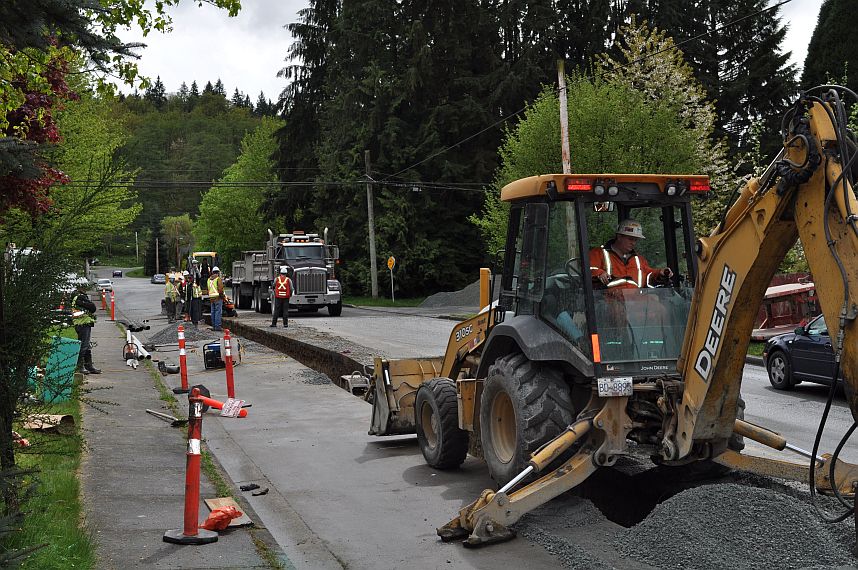
During the recent panic around transportation funding in Metro Vancouver, the authorities assured us that construction of the long-awaited Evergreen rapid transit line will proceed. Preliminary work — street widenings, electrical ducts — is now underway, and a contractor is to be selected soon for principal construction, scheduled to begin in autumn 2012.
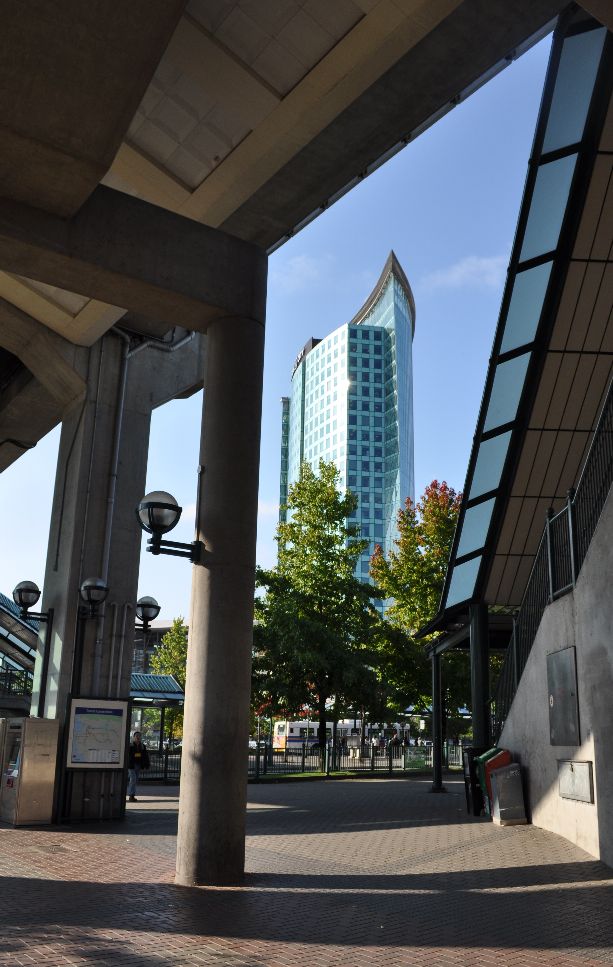
 But while the 11-kilometre line appears to have achieved untouchable status in the balance of regional politics, there are persistent voices in the blogosphere who say the project is wrong, wrong, wrong, because it’s based on Skytrain — the obtrusive technology previously used in three other Vancouver-area projects, and hardly anywhere else in the world. In deliberations over the Evergreen Line around 2006, local mayors seemed to be leaning toward light rail transit, until the provincial government declared force majeure and imposed Skytrain. The same dynamic had played out, less dramatically, with the Millenium and Canada lines earlier on. Continue reading

 Fraseropolis