The phantom Skytrain extension — a Vancouver perspective

Recent medium-density housing, 10th Avenue near Ontario St.

Recent medium-density housing, 10th Avenue near Ontario St.

Our previous post on the proposed Clark-to-Arbutus Skytrain extension was picked up by Price Tags, a definitive urban affairs site for the city of Vancouver.

This generated a number of messages to Fraseropolis.com, including the following from MB, who supports a Broadway Avenue project rather than the 10th Avenue dig that was contemplated in our report. I have transposed one sentence for clarity, and added a couple of editorial notes.

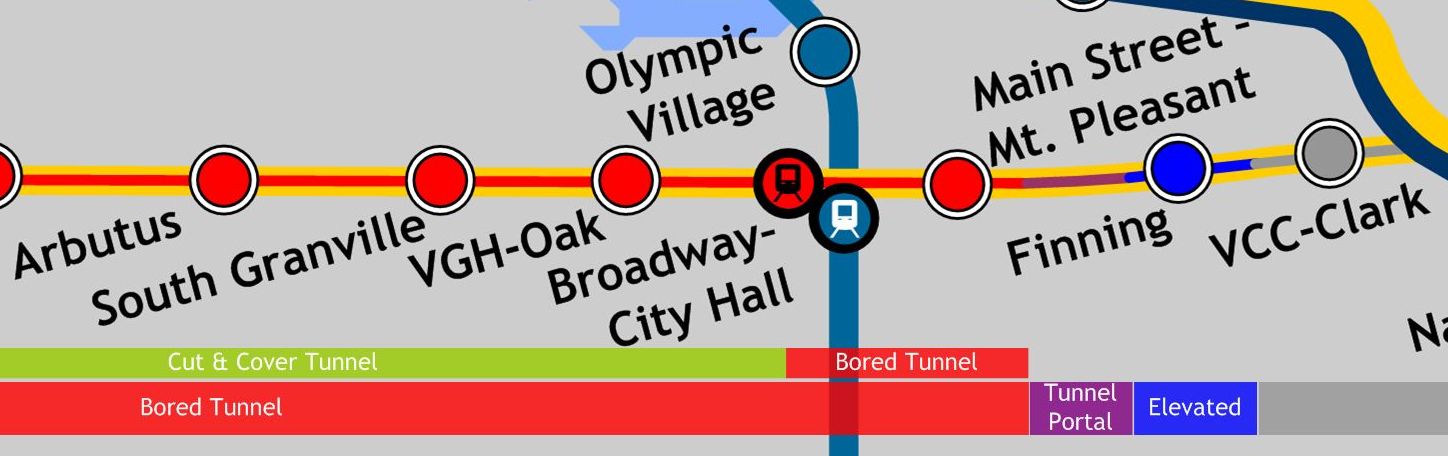
The 10th Ave alignment has many challenges related to the disruption of an old, established community. I suggest severely disrupting resident’s lives over 25 blocks for cut and cover would have a much greater political pushback than disrupting traffic on Broadway. Using C&C on non-arterials in historic neighbourhoods is engineering from the Dark Ages. Continue reading

The Arbutus Skytrain extension – a phantom tour

1-Arbutus transit extension.jpg

J Trudeau

During Canada’s recent federal election campaign, Prime-Minister-to-be Justin Trudeau promised funding support for transit in British Columbia’s Lower Mainland — “to extend rapid transit along Broadway to Arbutus, bring light rail transit to Surrey, and increase SeaBus service during peak periods.” It’s part of a commitment to invest C$20 billion in Canadian infrastructure projects over 10 years. This announcement may breathe new life into a transit project that, judging from online discussion, appears to have lost momentum over the past three or four years.

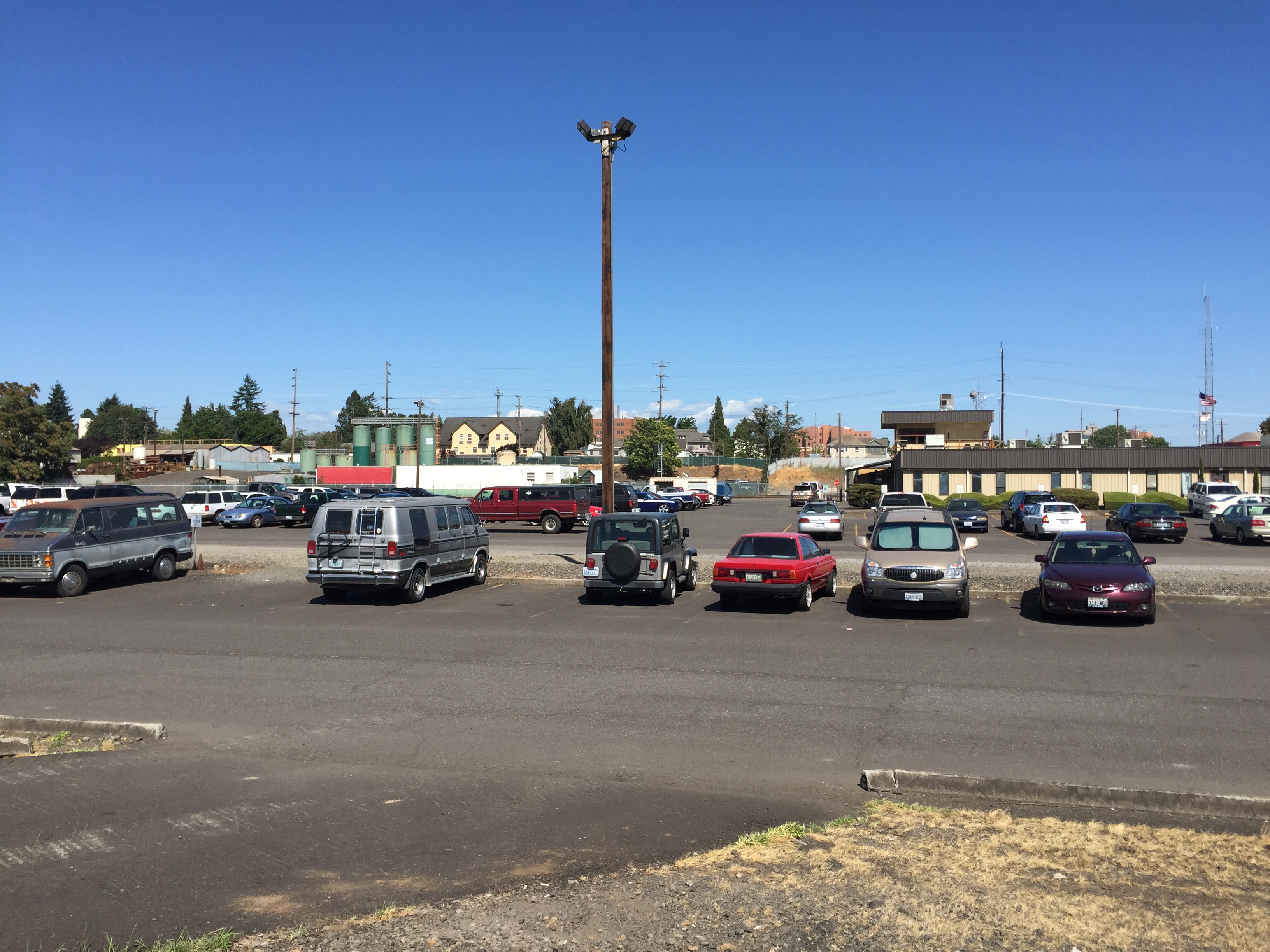
Track's end, near VCC

Track’s end, near VCC

The proposed extension of Skytrain into the west side of the City of Vancouver has been on the books since the Millennium transit line was built in the 1990s. The Millennium line runs west from the Coquitlam border through Burnaby into Vancouver, ending abruptly near Vancouver Community College, almost at the dividing point between the east and west sides of the city. The western extension of the line would relieve pressure on Vancouver’s Broadway Avenue bus corridor, home of the limited-stop B-99 services that had 55,000 boardings per day in 2013. Continue reading

Portland light rail to the rescue


Max interiorThe Amtrak train broke down at the station in Vancouver, Washington, a 20-minute drive from downtown Portland in normal traffic.

Vancouver Washington rail operations (right) seen from the platform

Vancouver Washington rail operations (right) seen from the platform

The Amtrak people did not seem to have a customer service plan. After 45 minutes they announced they were working to fix a problem with “the air.” The temperature rose; outside it was 35 degrees Celsius or 95 Fahrenheit. After an hour and a half, most people had climbed out to seek refuge in the small air-conditioned station or mill about on the pavement hoping for a taxi. But there were few taxis to be had — one Vancouver taxi driver who ventured into the area refused to go to Portland, because he said he was nearing the end of his shift — and Amtrak was not providing emergency buses or suggestions on how to reach the city. Continue reading

3 vaguely cheerful thoughts on Metro Vancouver’s transit vote

Slide from 2010 planning presentation (South Coast British Columbia Transportation Authority)

Slide from 2010 planning presentation (South Coast British Columbia Transportation Authority)

Elections BC advised us on July 2 that Metro Vancouver residents have rejected a 10-year transit plan, which was to have been funded from a sales tax hike. The political gridlock around transit funding, already 17 years old, will continue.

It’s sad for most of us that Western Canada’s largest urban area can’t figure out how to run a bus service. Most of us — because a minority, I’m guessing 15 per cent, would prefer to see public transit privatized or abolished. Continue reading