On South Fraser Street

Fraser St 1 reduced

My niece recently left home and moved to a different part of the world. From counter-culture Commercial Drive, she made the six-kilometre trek to South Fraser Street and found an affordable rental apartment.
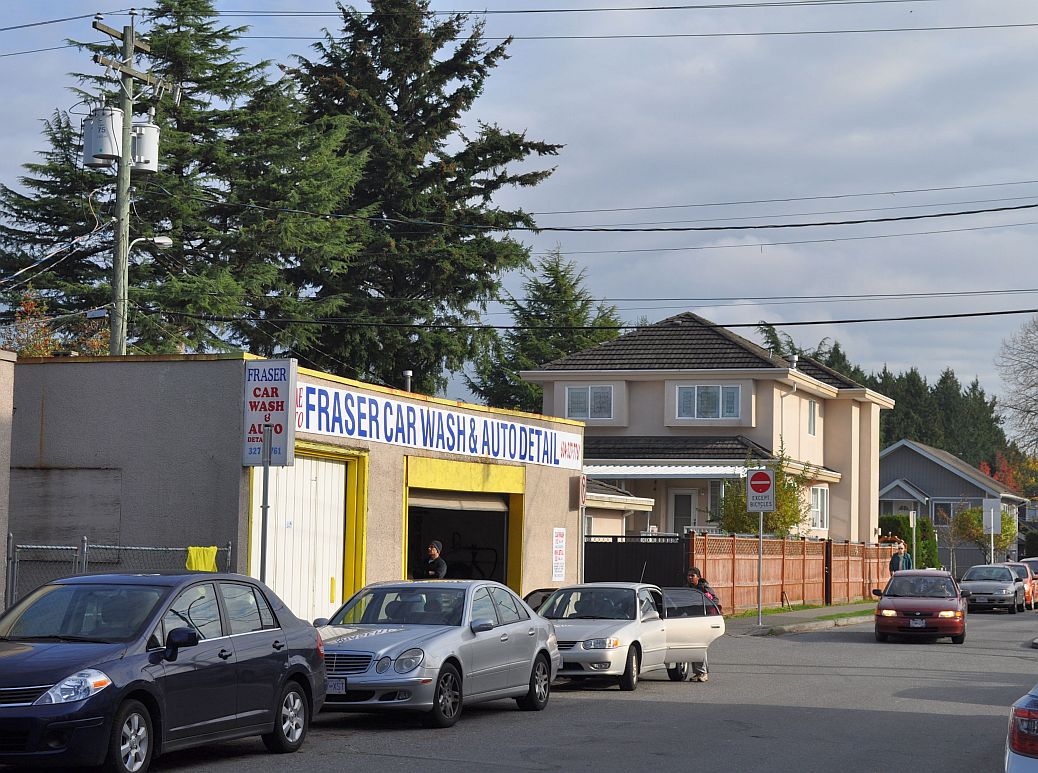
A rare example of side-street excitement, South Hill, Vancouver

A rare example of side-street excitement, South Hill, Vancouver

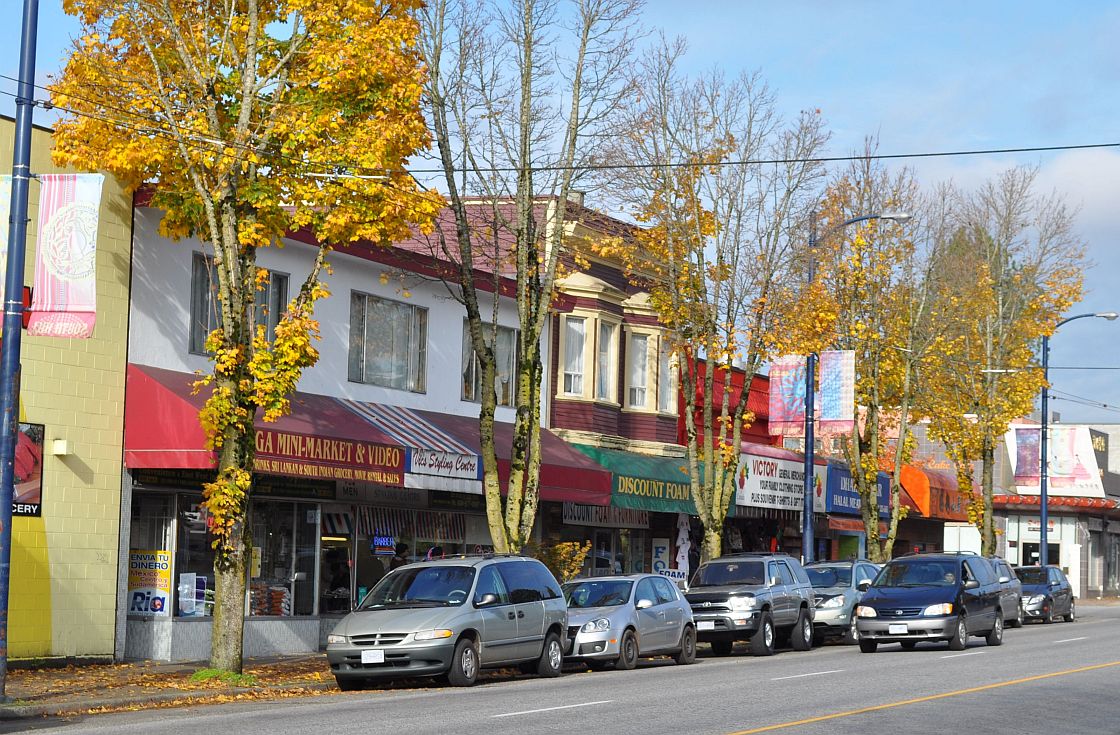
They say the resident mix is evolving, although there’s no influx of trendy cafes or retail stores at this stage. The South Fraser area is beyond walking distance from rapid transit; in Toronto, many such areas would be served by streetcars, but this is not Toronto. There’s a standard Vancouver high street, heavy on ethnic butcher shops. There’s a low-rise condo project under construction; limited multi-unit housing on the side streets, with a couple of seniors complexes a bit further away; and rental mini-houses popping up in the laneways, Kitsilano-style. The park on 41st Avenue is the home of little league baseball in Vancouver. Continue reading
Along the Number 20 Line

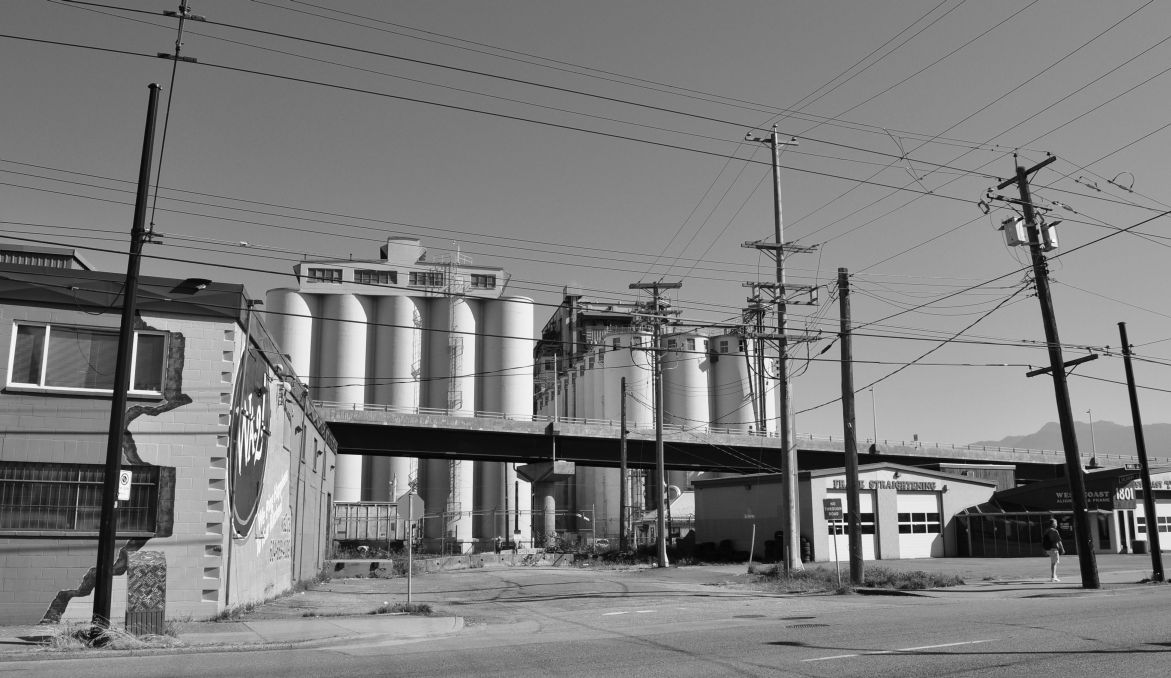
Grain terminal in Port Metro Vancouver, seen from Powell St.

Grain terminal in Port Metro Vancouver, seen from Powell Street

Vancouver writer Rolf Knight published Along The No. 20 Line  in 1980. It’s a book of working-class memoirs and oral histories about the Vancouver of the 1940s.

Cordova Street

Cordova Street

The title essay recalls a 1949 trip on the Number 20 streetcar through East Vancouver, from the intersection of Kamloops and McGill streets, near where the author grew up, to Cambie and Hastings, “the informal boundary of Vancouver East’s downtown.” Continue reading

The Main Street jumble

Just-off-the-high-street commercial space - a chocolaterie on Twenty-First Avenue

Just off the high street: a chocolaterie on 21st Avenue

The urban village, the subject of frequent posts on this site, is a walkable area that combines a diversity of services and housing choices with adequate transit.

Setting the boundaries of any urban village is partly a guessing game. By one convention, the average body will walk up to 1,000 metres to get access to village services. But which services? What’s in, and what’s out? In the City of Vancouver, with the most complex development patterns in British Columbia’s Lower Mainland, villages often overlap. This is certainly true of the neighbourhoods up and down Main Street: one of my favourite streets, but the result is difficult to photograph and to describe. Continue reading

Searching for controversy in the West End plan

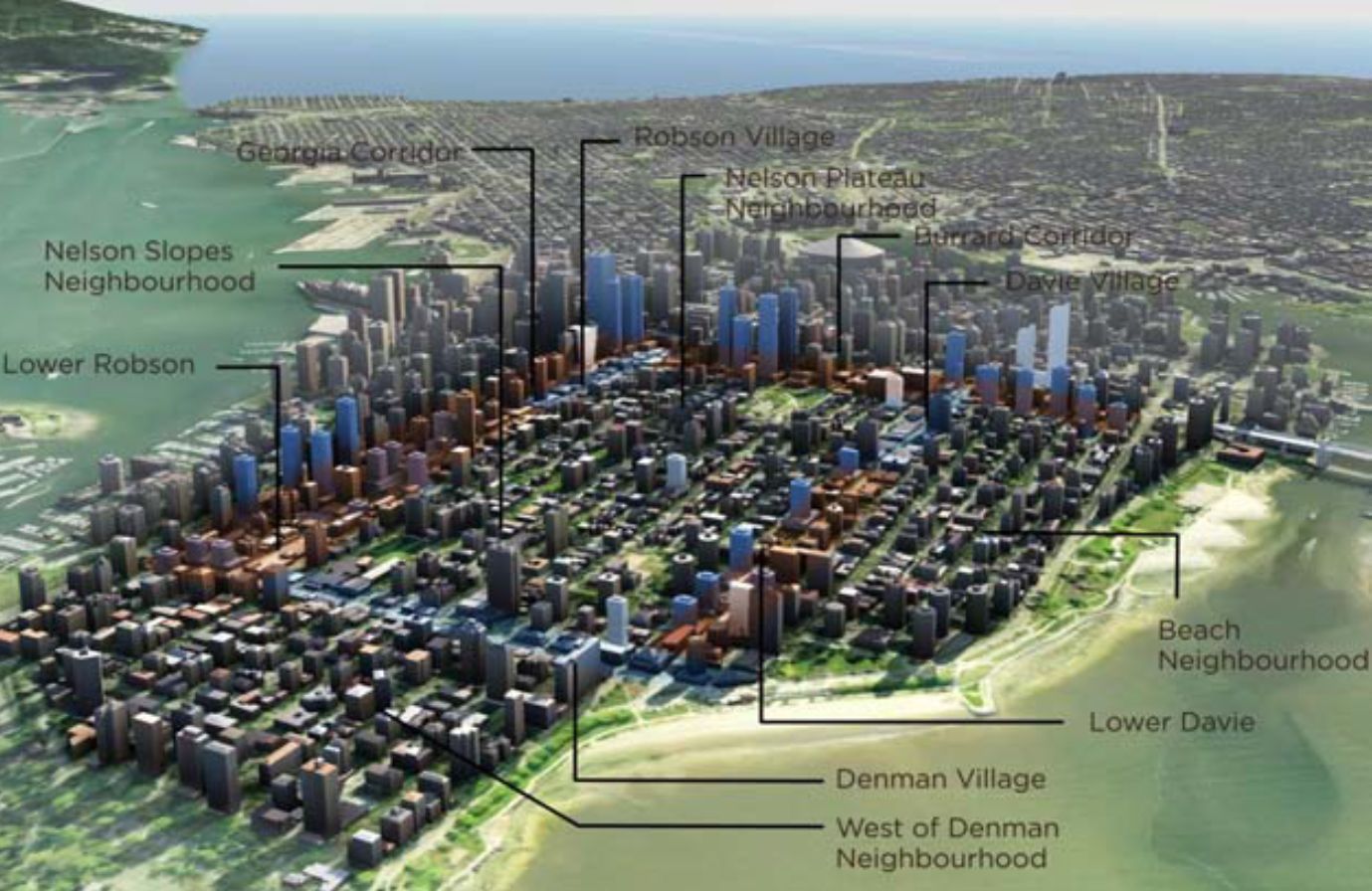
Projected development in Vancouver's West End. The blue towers, mostly on Georgia and Burrard, represent future densification.

Projected development in Vancouver’s West End. The blue towers, mostly on Georgia and Burrard, represent future densification.

Two recent posts on Fraseropolis focused on Vancouver neighbourhoods — Grandview-Woodlands and Marpole — where resident activists have forced big delays in the City government’s area planning process.

Denman Street 2, Vancouver reducedIn Vancouver’s West End, however, City Council moved ahead last month with the adoption of a new community plan. This area is the finest urban village in British Columbia for access to services and urban life, at least as measured by the Fraseropolis index, and the City plan is advertised as a tool for preserving and enhancing these qualities. (The plan actually defines three West End villages — Robson, Denman, and Davie — but for an outsider from the deep ‘burbs, they blend comfortably together.) Continue reading