Transit use is highest among lower income households

The University of British Columbia and health authority partners recently published a snapshot of transportation habits in Metro Vancouver based on an online survey of more than 28,000 people.

Transit mode shareAmong respondents, 29 per cent said they commute by public transit, compared with 55 per cent who travel in personal vehicles. A high-level map suggests that transit use is above average in tower-dominated Skytrain nodes and in many urban villages, even remote spots like downtown Langley and  downtown Maple Ridge. Continue reading
The mayors’ case for a transportation tax


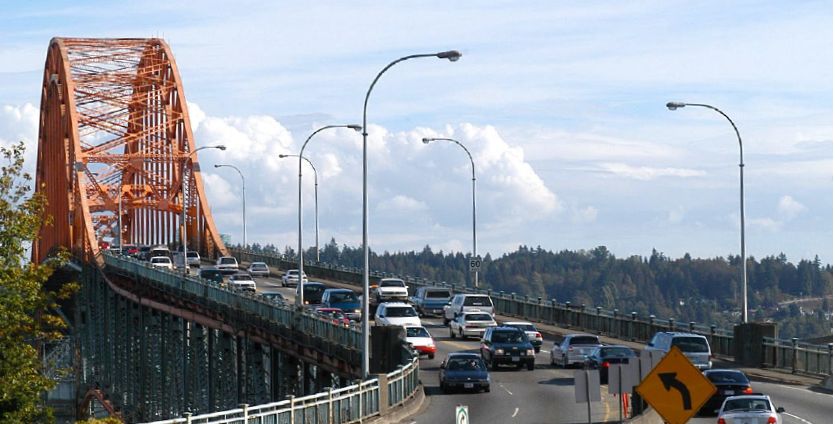
Replacement of the 1937 Pattulo Bridge over the Fraser River is part of the Metro Vancouver mayors' long-term plan. The photo is taken from the plan document.

Replacement of the 1937 Pattulo Bridge over the Fraser River is part of the Metro Vancouver mayors’ long-term plan. The photo is taken from the plan document.

Vicki and I attended a luncheon last week to hear from advocates for a Metro Vancouver transportation tax. The tax proposal will be the subject a ballot going out to households in March.

In 2014, regional transit mayors issued a long-term plan for upgrades to rapid transit, bus transit, regional roads and HandiDart service. The British Columbia government responded that any proposal for new fees or taxes to support the plan must be tested in a referendum. (The parties use the term “plebiscite”, but the difference seems academic.) Continue reading

Along the Number 20 Line

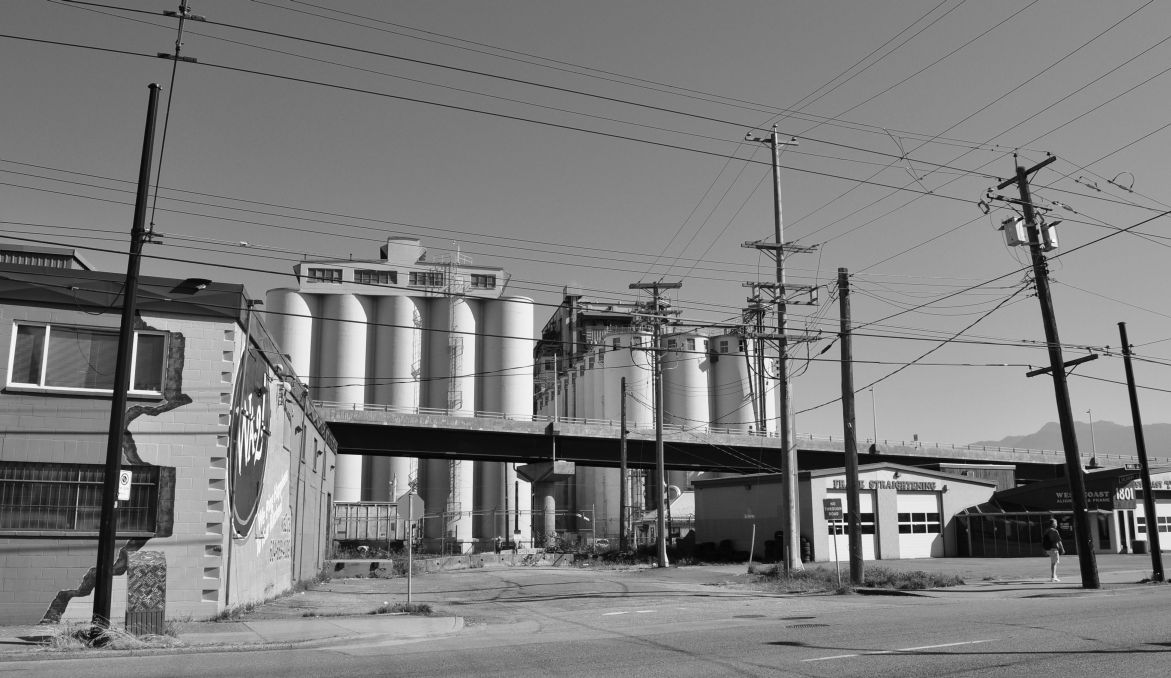
Grain terminal in Port Metro Vancouver, seen from Powell St.

Grain terminal in Port Metro Vancouver, seen from Powell Street

Vancouver writer Rolf Knight published Along The No. 20 Line  in 1980. It’s a book of working-class memoirs and oral histories about the Vancouver of the 1940s.

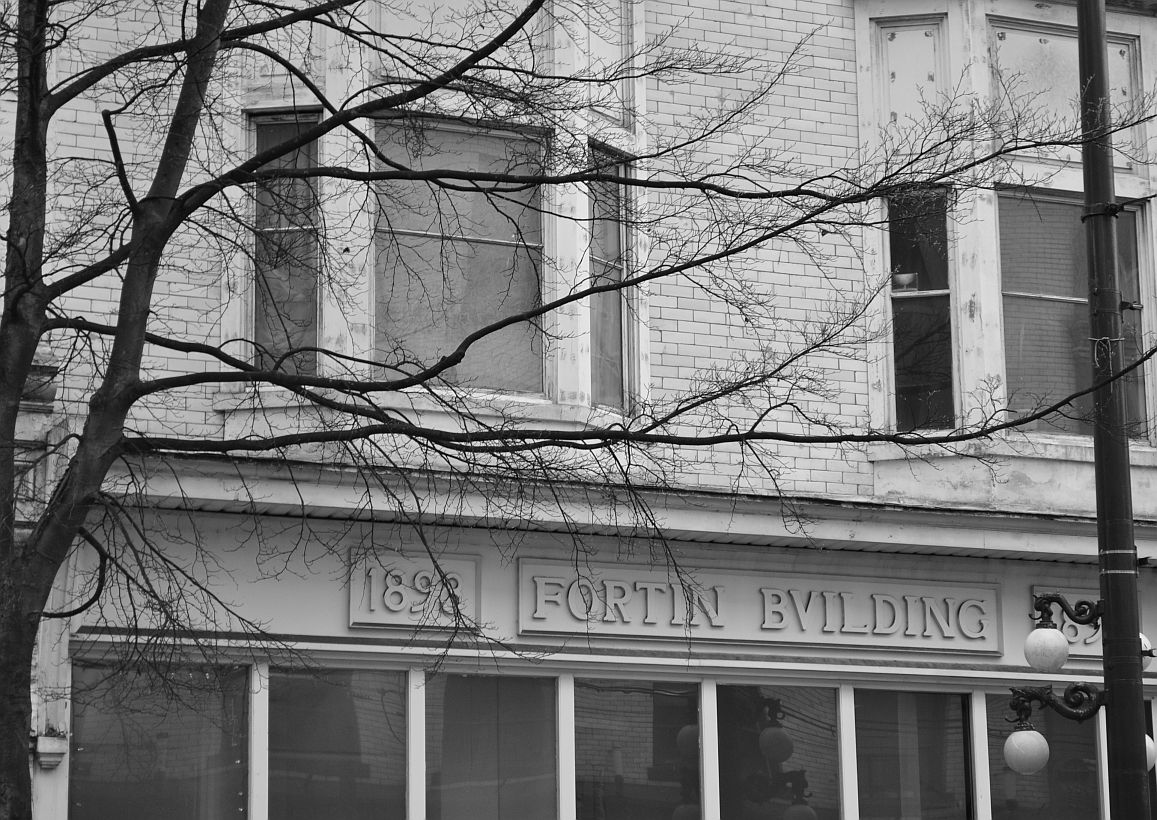
Cordova Street

Cordova Street

The title essay recalls a 1949 trip on the Number 20 streetcar through East Vancouver, from the intersection of Kamloops and McGill streets, near where the author grew up, to Cambie and Hastings, “the informal boundary of Vancouver East’s downtown.” Continue reading