
The management and staff at Fraseropolis.com plan to vote “Yes” in the 2015 Metro Vancouver transit referendum.
The arguments and alliances will be complex on both sides. We’ll wait some time before venturing into debate. Continue reading
The management and staff at Fraseropolis.com plan to vote “Yes” in the 2015 Metro Vancouver transit referendum.
The arguments and alliances will be complex on both sides. We’ll wait some time before venturing into debate. Continue reading
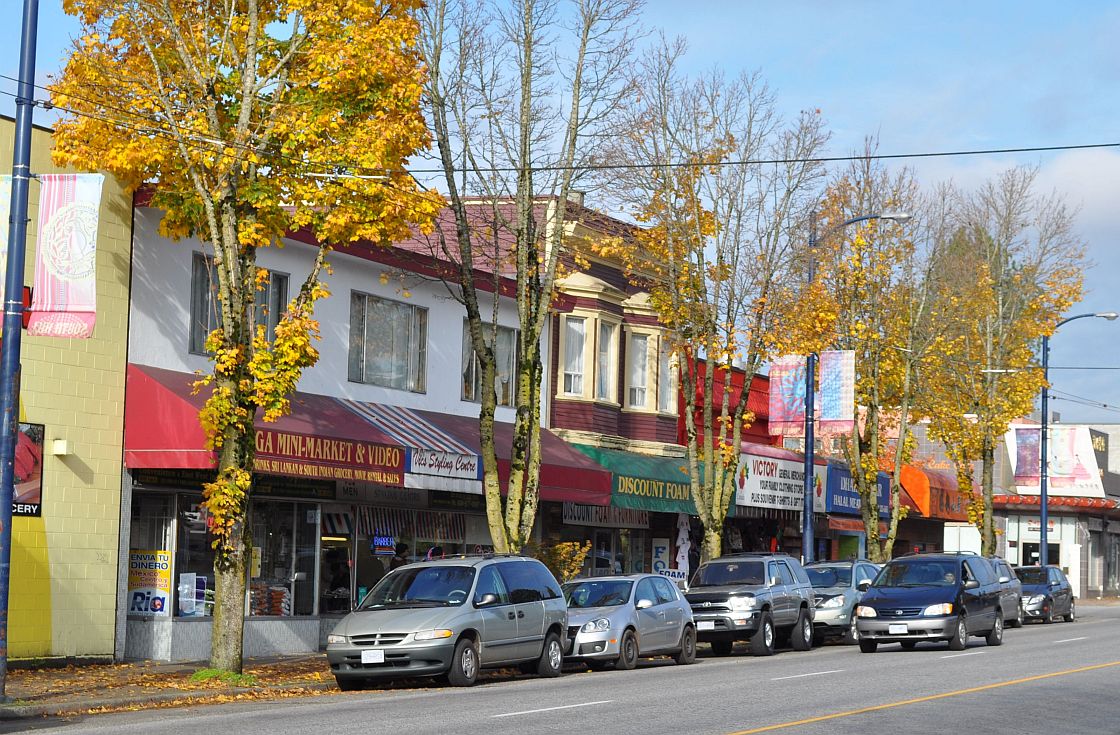
My niece recently left home and moved to a different part of the world. From counter-culture Commercial Drive, she made the six-kilometre trek to South Fraser Street and found an affordable rental apartment.
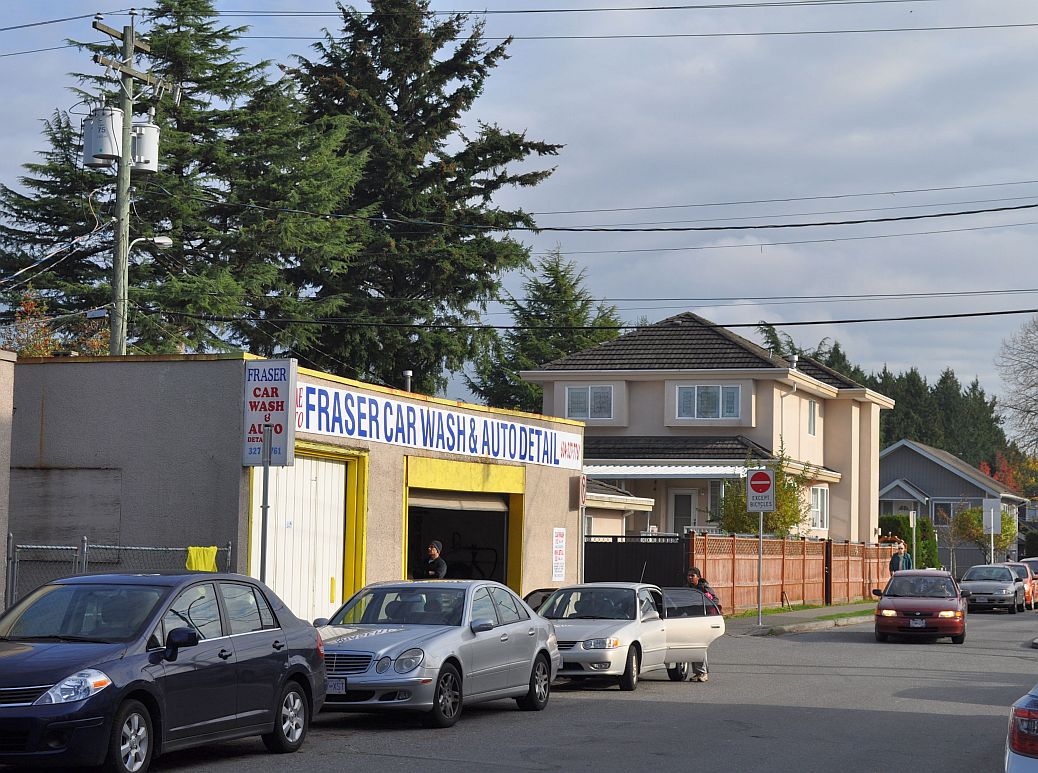
A rare example of side-street excitement, South Hill, Vancouver
They say the resident mix is evolving, although there’s no influx of trendy cafes or retail stores at this stage. The South Fraser area is beyond walking distance from rapid transit; in Toronto, many such areas would be served by streetcars, but this is not Toronto. There’s a standard Vancouver high street, heavy on ethnic butcher shops. There’s a low-rise condo project under construction; limited multi-unit housing on the side streets, with a couple of seniors complexes a bit further away; and rental mini-houses popping up in the laneways, Kitsilano-style. The park on 41st Avenue is the home of little league baseball in Vancouver. Continue reading
On November 15, voters in most of British Columbia voted for continuity in local government. Where there was change, it was generally more generational than ideological. (And if there was no competition, such as for the mayor’s position in the District of North Vancouver, there was no voting at all.) In Metro Vancouver, continuity means further densification, often through tower development. For the most part, anti-development movements were turned back at the ballot box.
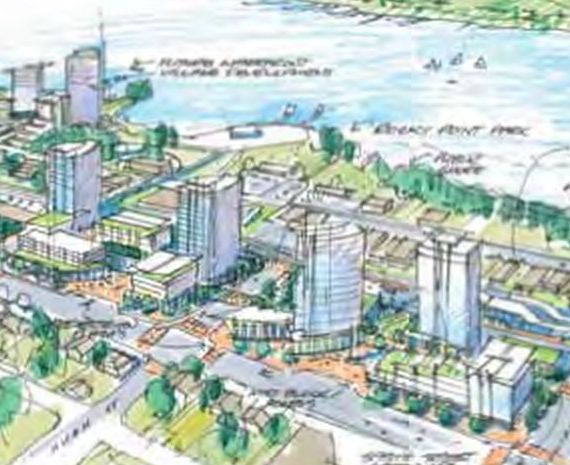 Let’s start with the single partial exception. In Port Moody, city government had proposed a dramatic plan to densify the central area, responding to the anticipated opening of a new rapid transit line. An opposition movement bloomed, peaking in late 2013, vowing to protect Port Moody’s (fictitious, I think) “small-town feel.” I do not know what this means; Port Moody has allowed monster detached homes to run halfway up Heritage Mountain, and its manufactured urban villages are heavy with towers. In any case, the opposition leader ran for mayor, and did okay, but he was defeated by incumbent mayor Mike Clay. The mayor lost some allies on council, and at least one newcomer has vowed to protect the “small-town feel.”. Both sides say they won. Clay says his central area plan, scaled down in 2014 to appease the critics, will be implemented. Over time. Continue reading
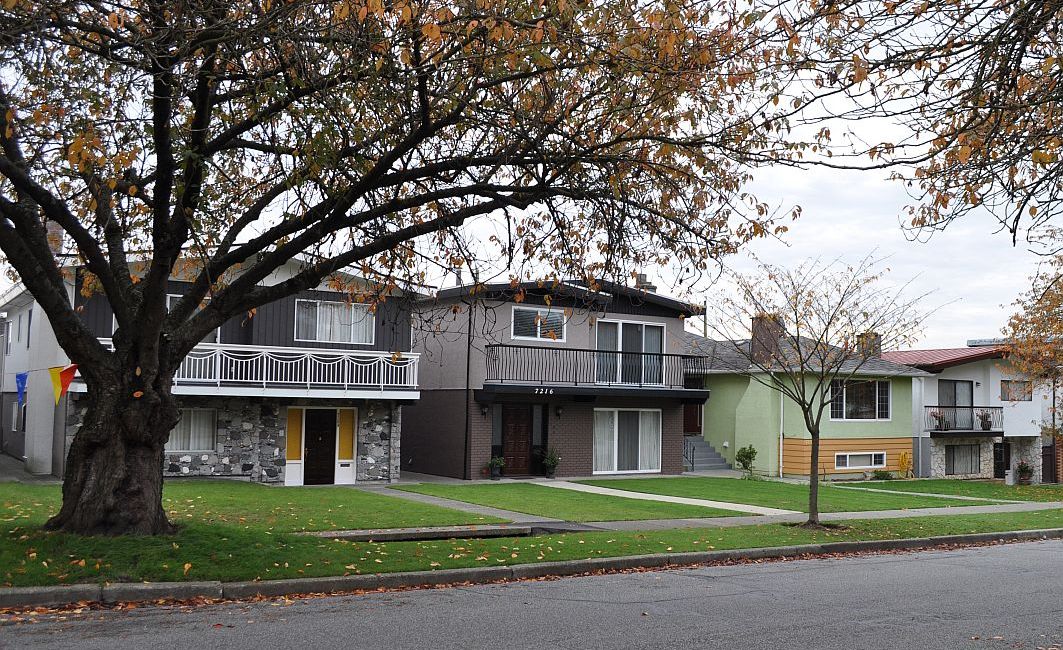
Ross Street, Vancouver
The Urban Development Institute (an industry association) and VanCity (a financial institution) have released a comparison of home affordability in three Metro Vancouver zones: the City of Vancouver, “Inner” Metro and “Outer” Metro.
The authors stipulate that when a household pays more than 32 per cent of gross income for housing, their housing no longer qualifies as “affordable.” Continue reading
 Fraseropolis